

UK fire safety legislation sets out duties for those who control premises, typically owners, employers and managing agents. The Regulatory Reform (Fire Safety) Order 2005 covers most non‑domestic sites in England and Wales, with separate frameworks in Scotland and Northern Ireland. Responsible persons must assess risks, maintain alarms, guarantee escape routes, appoint competent staff and provide training. High‑rise and specialist sectors face extra rules, and local fire authorities enforce compliance. Continued information explains practical steps to meet obligations.
Key Takeaways
- The Regulatory Reform (Fire Safety) Order 2005 sets fire safety duties for most non-domestic premises in England and Wales.
- Responsible persons must carry out and document a suitable and sufficient fire risk assessment.
- Maintain alarms, detection, emergency lighting, escape routes, and compartmentation with records of tests and repairs.
- Appoint competent persons, provide staff training, and run regular evacuation drills and emergency plans.
- Local fire and rescue authorities enforce compliance, issuing notices, fines, or prosecutions for serious breaches.
Quick Compliance Checklist: What to Do Now
Begin by prioritising immediate legal obligations: confirm that a current fire risk assessment is in place, that competent persons are appointed to manage fire safety, and that clear emergency evacuation procedures and signage are established. The checklist then directs swift action: verify alarms and detection systems are tested and records kept; confirm firefighting equipment is appropriate and maintained; verify escape routes are unobstructed, and doors operate correctly. Training and fire drills must be scheduled regularly, with staff aware of their roles and the authority to act in emergencies.
Documentation should be concise, accessible, and reviewed after any change to premises or use. Contractors and visitors require briefings on risks and evacuation points. For residential or mixed-use sites, ensure residents receive clear guidance and means to report concerns. Appoint a responsible person to coordinate compliance, audits, and liaison with enforcement if necessary. This pragmatic checklist empowers responsible parties to secure safety while preserving autonomy and operational continuity.
Which UK Fire Safety Laws Apply to My Building
Having completed immediate compliance steps, the next task is to identify which statutes and regulations govern the specific building. Determination depends on building type, usage, size, and construction. The Regulatory Reform (Fire Safety) Order 2005 covers most non-domestic premises in England and Wales; Scotland and Northern Ireland operate under equivalent national frameworks with differing titles and detail. New and high-rise residential developments must also consider Building Regulations Approved Document B, as well as recent guidance on cladding and evacuation strategies. It is essential for everyone to Understand Building Regulations Part A to P.
Special premises, heritage sites, industrial plants, healthcare and educational institutions face sector-specific rules and British Standards for systems and maintenance. Tenure matters: purpose-built blocks and mixed-use properties may trigger overlapping duties.
Those seeking operational freedom should map applicable instruments, cross-reference local authority enforcement policies and statutory guidance, and document legal applicability. This focused legal audit clarifies obligations, narrows compliance choices, and supports proportionate, rights-respecting fire safety strategies.
Who Is Legally Responsible for Fire Safety?
While legal responsibility for fire safety often falls to the person or organisation with control of premises, duties can be shared or split depending on tenure, management arrangements and building use. Responsibility commonly sits with employers, building owners, landlords and occupiers who can influence safety measures. In multi-occupancy or mixed-use sites, responsibilities may be apportioned through leases, management agreements or service contracts; each party must understand and document their role to avoid gaps.
Competent persons should be appointed where necessary to implement and monitor controls. Where maintenance, emergency planning or access are outsourced, contractors carry out the tasks they perform, but primary dutyholders retain overarching accountability.
Regulatory bodies and enforcing authorities assess liability by examining who has practical control and decision-making power. Clear records, communication and proportionate allocation of tasks reduce disputes and enforcement risk. Those seeking freedom-friendly operations should guarantee responsibilities are explicit, transferable where intended, and supported by demonstrable competence and written arrangements. Explore more about Who Is Responsible for Fire Safety? Understanding Roles and Legal Obligations Across Different Settings.
Your Core Duties Under the Fire Safety Order (2005)
Outline the principal obligations under the Regulatory Reform (Fire Safety) Order 2005 by identifying duties, responsible persons, and required actions to manage fire risk proportionately. The Order places a duty on responsible persons typically employers, owners or occupiers to guarantee the safety of anyone using or lawfully on the premises. Core duties include evaluating and managing fire risks, implementing and maintaining appropriate fire precautions, providing information and training, and ensuring means of escape and alarm systems are fit for purpose. Responsible persons must proportion control measures to the scale and nature of risk, keep arrangements under review, and record significant findings where five or more persons are employed. Cooperation and coordination are required where multiple responsible parties share premises. Enforcement relies on compliance, remedial notices and penalties for breaches. The framework privileges practical, rights-respecting measures that enable safe, autonomous occupation while ensuring those with legal responsibility act decisively to prevent harm.
How to Carry Out a Compliant Fire Risk Assessment
A fire risk assessment is the systematic process by which a responsible person identifies fire hazards, evaluates who might be harmed and how, and records proportionate measures to eliminate or reduce risk. It proceeds by surveying the premises, noting ignition sources, combustible materials, and means of escape. The assessor determines occupants’ vulnerability, occupancy patterns, and any processes increasing risk, then rates likelihood and consequence to prioritise action. Proportionate control measures are selected: removal or reduction of hazards, engineering or administrative controls, and suitable detection and suppression where needed. Records must document findings, decisions, and any non‑urgent actions with timescales. Assessments are reviewed whenever significant changes occur alterations to layout, use, or legislation or periodically to maintain relevance. Where premises are shared or complex, coordination with other duty holders and competent advisers guarantees clarity of responsibility. The approach respects liberty by enabling informed choices: pragmatic, evidence‑based steps that achieve compliance while minimising unnecessary restriction on use of space. Here you can find the details about fire risk assessment regulatory reform order 2005.
Emergency Plans, Staff Training and Evacuation Procedures
Develops and documents an emergency plan that specifies roles, actions and communication pathways so staff can respond swiftly and consistently during a fire or related incident. The plan outlines clear evacuation zones, assembly points, responsibilities for fire wardens and managers, and procedures for assisting people with reduced mobility. Regular, focused training sessions guarantee staff understand alarm signals, evacuation routes and shutdown tasks; drills are scheduled to test timing and refine actions without unnecessary disruption. Training encourages confidence and autonomy so individuals can act decisively when required. Records of instruction, drill outcomes and corrective actions demonstrate compliance and inform continual improvement. Communication protocols include internal alerting, liaison with emergency services and notifying occupants or neighbouring premises when relevant. The approach balances legal obligations with pragmatic flexibility, allowing premises to adopt measures proportionate to risk while preserving freedom of movement and decision-making during evacuation. Reviews occur after incidents or significant changes to maintain effectiveness.
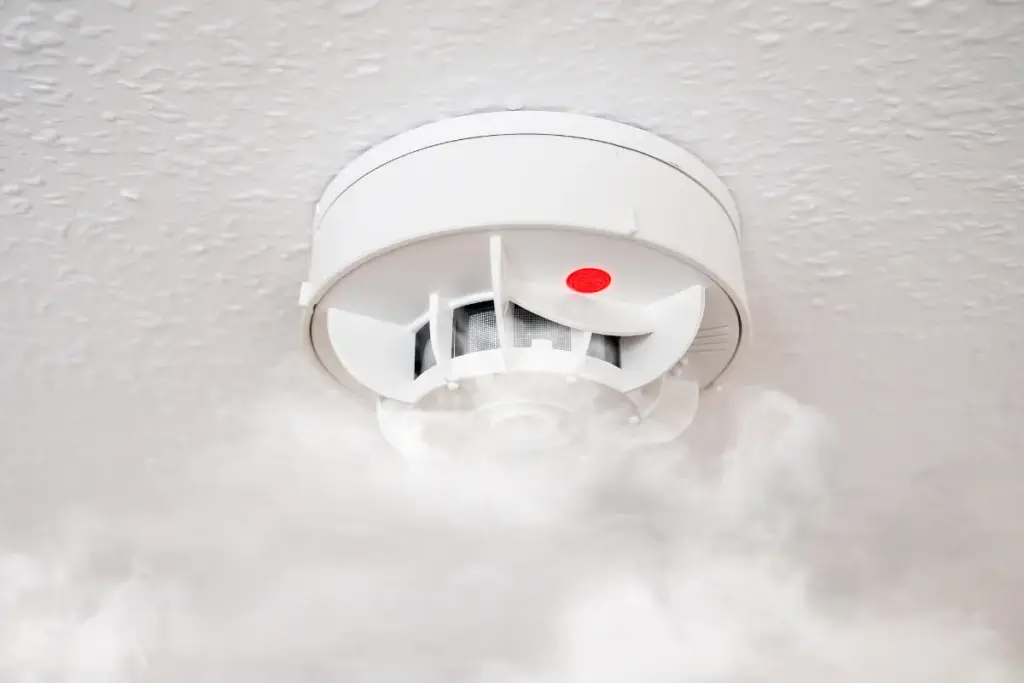
Legal Maintenance Duties for Alarms, Detection and Escape Routes
Guarantees that alarms, detection systems and escape routes are maintained to statutory standards through defined duties, scheduled inspections and prompt remedial action. Responsibility rests with dutyholders who must confirm systems remain functional, that documented maintenance regimes exist, and that records demonstrate compliance. Regular testing, servicing by competent persons, and rapid repair of defects preserve freedom of movement and safety.
- Routine checks: daily visual checks, weekly tests where appropriate, and periodic full inspections by qualified engineers to verify performance and integrity.
- Documentation: maintenance logs, test certificates and remedial action records are retained to prove ongoing compliance and enable independent review.
- Accessibility and upkeep: escape routes kept unobstructed, emergency lighting tested, signage maintained, and any impairments swiftly rectified.
Dutyholders should apply proportionate, risk-based measures, engaging competent contractors and scheduling proactive works to prevent system failures while respecting occupants’ autonomy and right to safe, unobstructed egress.
Rules for Multi-Occupied and Residential Buildings, Enforcement and Penalties
Several categories of multi-occupied and residential buildings are subject to specific fire-safety rules that allocate duties, set minimum standards for means of escape, and require tailored risk assessments. Legislation distinguishes responsibilities between owners, managing agents, and occupiers, obliging them to guarantee adequate detection, alarm systems, compartmentation, and clear escape routes. Higher-risk premises, including high-rise blocks and Houses in Multiple Occupation, face stricter requirements such as stay-put policies, evacuation plans, and specialist firefighting access. Enforcement is carried out by local fire and rescue authorities with powers to serve notices, demand remedial work, and prohibit use until hazards are addressed. Non-compliance can attract civil penalties, prosecution, and remedial costs, while serious breaches may result in fines and custodial sentences. Remedies include mandatory improvement, enforcement orders, and public registers of enforcement action. Rights of appeal exist, preserving due process, but proactive compliance remains the most effective way to maintain safety and protect residents’ autonomy and peace of mind.
Frequently Asked Questions
How Do Fire Safety Rules Change During Building Refurbishment or Temporary Works?
During refurbishment or temporary works, fire safety rules adapt: duties intensify, risk assessments update, interim measures (fire alarms, escape routes, inspections) are implemented, and contractors coordinate with responsible persons to maintain compliance and protect occupiers.
Can Personal Emergency Evacuation Plans (PEEPS) Be Legally Enforced for Tenants?
No; PEEPs cannot be directly legally imposed on tenants, though responsible persons may require documented evacuation arrangements where necessary for safety. Tenants may be encouraged or assisted, balancing individual liberty with duty-holder obligations and reasonable accommodation.
Are Electric Vehicle (EV) Charging Points Covered by Fire Safety Regulations?
Yes, EV charging points can fall under fire safety regulations where they affect building safety, electrical systems, or escape routes. Responsible parties must assess risks, guarantee safe installation, maintenance, and compliance, preserving occupant autonomy and responsibility.
What Insurance Implications Arise From Non-Compliant Fire Safety Assessments?
Insurers may void cover, reduce payouts, raise premiums, or cancel policies if assessments are non-compliant; businesses face disputed claims, higher excesses, and difficulty obtaining future cover, risking financial exposure and curtailed operational freedom.
How Do Fire Safety Duties Apply to Listed or Historic Buildings?
Owners and custodians of listed or historic buildings remain legally responsible for fire safety duties, balancing preservation with risk reduction; they may adopt bespoke, proportionate measures, document decisions, and seek specialist advice to justify alternative compliant solutions.
Conclusion
In conclusion, compliance with UK fire safety law demands clear responsibility, documented risk assessment, maintained detection and escape systems, and effective emergency planning and staff training. Responsible persons must follow the Fire Safety Order, apply specific residential and multi-occupied building rules, and respond to enforcement or penalties. Proactive maintenance, regular reviews and engagement with competent professionals reduce risk and legal exposure, ensuring occupier safety and demonstrating lawful, proportionate measures to prevent and manage fire incidents.