



A smoke detector is a standalone sensor that senses smoke or changes in air quality and sounds a local alert; it is typically battery-powered. A fire alarm is an integrated system that monitors many detectors, evaluates signals at a control panel, and provides coordinated actions such as building-wide notification, strobes, voice evacuation, and monitoring for emergency services. Choice depends on building size, occupancy, codes, and maintenance capacity, and the following sections explain selection, installation, and compliance in more detail.
Key Takeaways
- A smoke detector is a local sensor that detects smoke or combustion particles and usually sounds a standalone alarm.
- A fire alarm is a coordinated system that monitors detectors, notifies occupants, and can trigger building-wide responses.
- Smoke detectors can be battery-powered or hardwired; fire alarm systems include control panels, detection devices, and notification appliances.
- Detectors act as inputs; fire alarm panels evaluate signals and implement programmed actions like strobes, voice alerts, or sprinklers.
- Your choice depends on building size, code requirements, and risk: homes often use standalone detectors, while commercial spaces need monitored alarm systems.
Smoke Detector vs. Fire Alarm: Which Do You Need?
The best device depends on the level of protection required and the complexity of the building’s systems. The decision hinges on purpose: a smoke detector is a localised sensor that alerts occupants to a potential fire at its immediate location, while a fire alarm is a coordinated system that detects, notifies, and often triggers building-wide responses. For a small rental or private room, simple, battery-powered detectors offer autonomy and straightforward installation, aligning with those who prioritise independence.
In larger residences, commercial properties, or multifamily housing, integrated fire alarm systems provide centralised monitoring, manual controls, and connections to emergency services, reducing individual oversight. Cost, maintenance capability, and regulatory requirements also shape choice; some jurisdictions mandate integrated systems in certain occupancies. Ultimately, occupants seeking freedom should weigh self-reliance against collective security: choose isolated detectors for personal control, or opt for all-encompassing alarm systems when scale, safety obligations, and rapid coordinated response are paramount.
Smoke Detectors: How They Work and Common Types
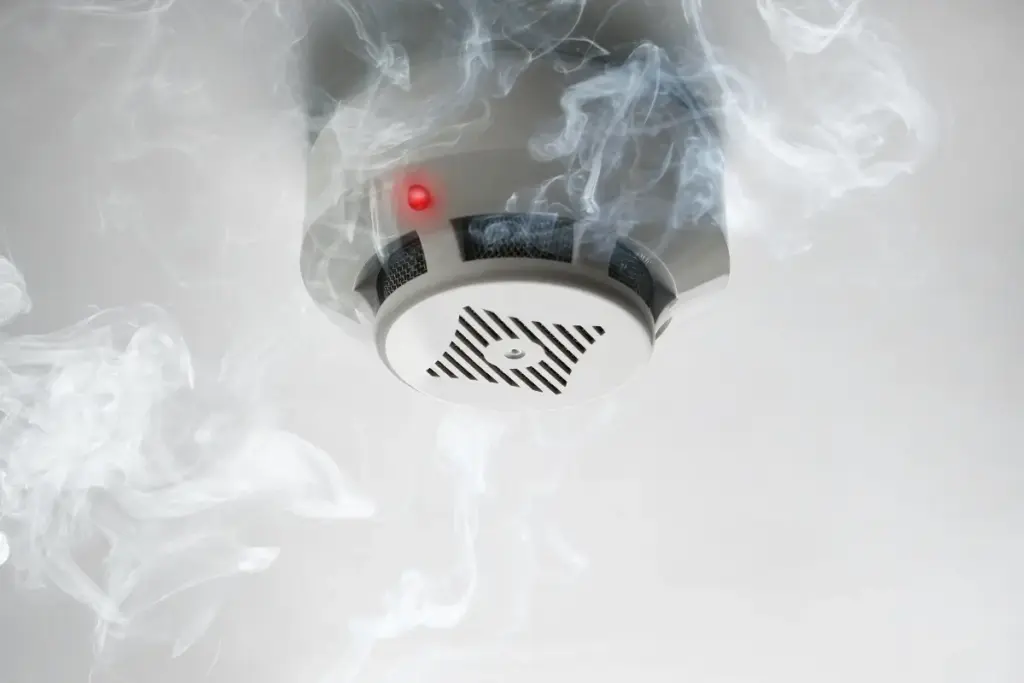
After choosing between localised detectors and integrated alarm systems, attention turns to how individual smoke detectors operate and the common types available. Smoke detectors sense combustion particles or changes in air quality and trigger local alerts; they do not imply centralised monitoring. Two primary technologies dominate: ionisation and photoelectric. Ionisation detectors respond quickly to fast-flaming fires that produce small particles, using a small radioactive source and ion current to detect disruptions.
Photoelectric detectors excel at sensing smoldering fires that emit larger particles, employing a light beam and photocell to register scattering. Combination units pair both sensors for broader coverage, often with a single alarm output. Some models include dual-sensor logic to reduce false alarms and enhance detection. Power options vary: battery, hardwired, or hybrid with battery backup, which affects placement flexibility. Users seeking autonomy and control typically favor combination units with battery or hybrid power to balance reliability and independence. Here are the Types of Smoke Alarms That are Being Used in Businesses or Home.
Fire Alarm Systems: Components and How They Operate
When coordinated across devices and control equipment, a fire alarm system detects hazards, notifies occupants, and initiates emergency responses through a defined chain of components and functions. A control panel serves as the system’s brain, monitoring inputs, interpreting signals, and triggering outputs. Detection devices smoke, heat, and manual pull stations provide the inputs; notification appliances horns, strobes, and voice evacuation systems deliver clear alerts. Power supplies, including primary and standby batteries or generators, guarantee continuous operation.
Notification and signaling circuits link devices to the panel, while addressable or conventional wiring schemes determine how individual devices are identified and controlled. Auxiliary interfaces connect sprinklers, elevators, HVAC, and monitoring services to coordinate suppression and safe egress. Regular supervision, testing, and maintenance keep components reliable and compliant. Design emphasises occupant autonomy: straightforward signals, prioritised zones, and integration with building systems enable timely, informed decisions and rapid, organized responses during emergencies without unnecessary restriction.
How Detectors and Alarm Systems Differ: Detect, Alert, Respond
Although detectors and alarm systems are often spoken of together, they perform distinct roles in the life-safety chain: detectors sense physical signs of fire, smoke, heat, or flame and translate those conditions into electrical or digital signals, while alarm systems receive and evaluate those signals, decide on appropriate responses, and activate notifications and building interfaces to guide occupant action and emergency services.
Detectors act as autonomous sensors, tuned for sensitivity and false-alarm rejection; they do not instruct people. Alarm systems consolidate inputs from multiple detectors, apply logic or thresholds, and determine whether to sound horns, flash strobes, send text alerts, trigger suppression, or notify monitoring centers. This separation preserves flexibility: detectors can be selected and placed for local detection needs, while alarm systems can be programmed to respect occupant freedom, zoning, and escalation policies. Together they create a coordinated detect–alert–respond sequence, ensuring timely, proportionate action without unnecessary intrusion.
When a Smoke Detector Is Enough : And When You Need a Full System
Distinguishing simple smoke detectors from full fire alarm systems matters for matching protection to risk and building function. A lone battery- or hardwired smoke detector suffices in small residences or private rooms where occupants can detect and respond quickly; it preserves autonomy, costs little, and is easy to install. Situations requiring a full fire alarm system include multiunit dwellings, commercial spaces, large open areas, and facilities housing vulnerable people, where centralised monitoring, zoned notification, and integration with sprinklers or emergency controls become essential.
Regulatory requirements, occupancy density, egress complexity, and potential for rapid fire spread drive the need for more extensive solutions. Choosing between minimal and full systems balances personal freedom with collective safety: individuals may opt for simple detectors where risks and codes allow, while building owners must implement upgraded systems to protect occupants, meet legal obligations, and guarantee coordinated emergency response beyond what standalone detectors can offer.
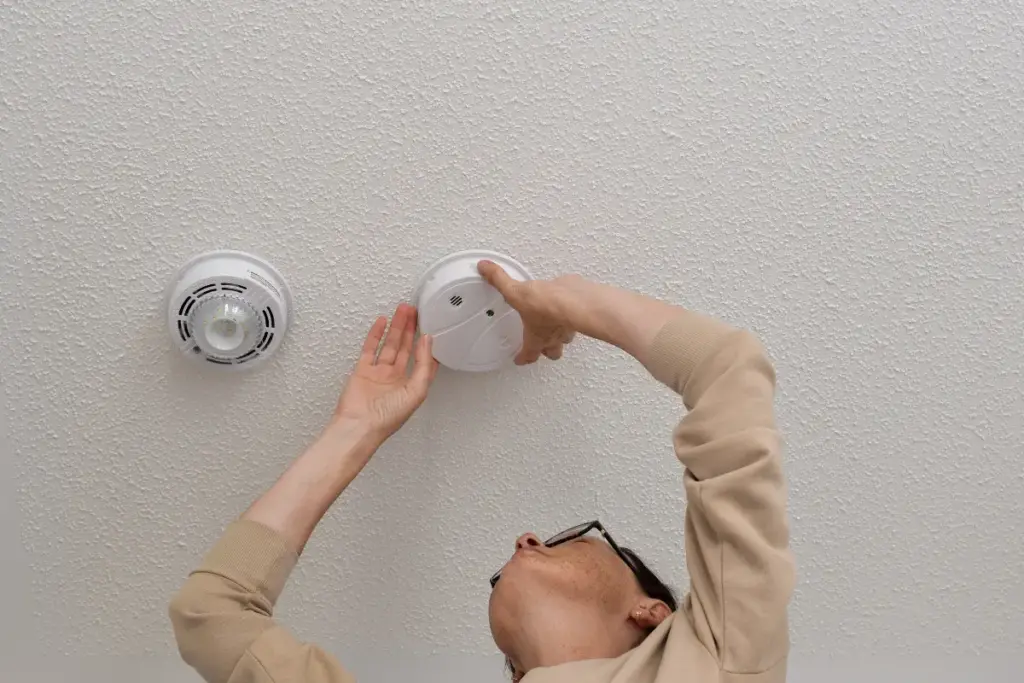
Installation, Maintenance, and Testing for Detectors and Systems
Installers and owners must follow clear procedures for placement, wiring, and integration to guarantee detectors and fire alarm systems operate reliably. Placement respects coverage patterns, ceiling height, and avoidance of dead air; installers map zones so devices report accurately. Wiring follows manufacturer guidelines for power, grounding, and supervision; tamper-resistant connections preserve system integrity while allowing future changes.
Maintenance routines include scheduled inspections, battery replacement, dust removal, and component checks; logs document actions and empower owners to act without undue constraint. How to Check a Fire Alarm for Safety and Reliability?
Testing uses both manual and functional tests: monthly response checks, annual sensitivity tests for smoke detectors, and periodic full-system drills to confirm notification, signal transmission, and interface with other building controls. Replace detectors per lifespan recommendations and update firmware where applicable. Records of tests and corrective actions maintain traceability. Clear, minimal procedures give occupants the freedom to manage safety proactively while ensuring that detectors and alarms remain dependable when needed.
Costs, Code Requirements, and When to Call a Professional
How much should a building owner expect to spend, and what rules govern installation and upkeep? Typical upfront costs vary: single-room battery detectors cost $15–50, wired units $50–150, and full fire alarm systems range from several hundred to several thousand dollars depending on building size and features. Ongoing expenses include periodic battery replacement, testing, and service contracts for monitored systems.
Local and national codes such as the International Building Code (IBC), NFPA 72, and municipal ordinances define placement, interconnection, notification levels, and maintenance intervals. Compliance often requires documented inspection and testing records.
Call a professional when installing interconnected or addressable systems, doing hardwired electrical work, integrating monitoring services, or when code interpretations are unclear. Certified technicians provide permits, proof of compliance, and reliable troubleshooting. For simple battery-operated detectors, owners confident in basic wiring and testing may self-install, but consultation helps maintain safety and legal protection from liability.
Choosing the Right Smoke Detector and Alarm Setup for Your Space
The best combination of detectors and alarms depends on factors like building size, occupancy type, and specific fire risks. A minimalist approach favors battery-operated, interconnected smoke alarms in small residences, ensuring independence from grid failures. Larger homes and multiroom offices benefit from a mixed strategy: photoelectric units near kitchens, ionisation in sleeping areas, and heat detectors in garages or attics. Commercial or high-occupancy venues require addressable, monitored fire alarm systems with pull stations, strobes, and voice evacuation for clear, scalable alerts.
Placement follows simple rules: detectors on every level, inside and outside sleeping areas, and within 10 feet of cooking appliances while avoiding false-trigger zones. Interconnection, hardwired or wireless, ensures a single activation warns the whole building. Regular maintenance, battery replacement, and periodic professional inspection preserve reliability. Choices should empower occupants to tailor protection to lifestyle and risk tolerance while complying with local codes and promoting unobstructed escape.
Frequently Asked Questions
Can Pets Trigger Smoke Detectors or Fire Alarms?
Yes. Pets can trigger smoke detectors or fire alarms by producing hair, dander, or cooking-like aerosols; vigorous movement near sensors or excreta-caused fumes may also cause false alarms, so proactive placement and maintenance preserve household autonomy.
How Long Do Smoke Detectors and Alarm Sensors Last?
Smoke detectors and alarm sensors typically last about 8–10 years; some ionisation or photoelectric units may need replacement sooner, while smart or hardwired components can endure longer with proper maintenance and battery or sensor replacements.
Are Wireless Alarms Vulnerable to Hacking?
Yes, wireless alarms can be vulnerable to hacking. A person valuing freedom should insist on encrypted protocols, regular firmware updates, strong passwords, network segmentation, and vendor transparency to minimise remote exploitation and preserve autonomous safety.
Can Cooking Produce False Alarms and How to Prevent Them?
Yes; cooking can trigger false alarms. They recommend relocating detectors away from kitchens, using photoelectric sensors, installing interlocked range hoods and timers, enabling hush features, and adopting ventilation and stovetop discipline to preserve safety while maintaining household freedom.
Do Smart Detectors Integrate With Home Assistants Like Alexa?
Yes, many smart detectors integrate with home assistants like Alexa, allowing voice alerts, status checks, and automations. Users can freely choose compatible models, customise routines, and grant or restrict permissions for privacy and control.
Conclusion
In conclusion, understanding the distinction between standalone smoke detectors and integrated fire alarm systems helps property owners match protection to risk. Smoke detectors offer basic, localised warning suitable for small residences; full fire alarm systems provide coordinated detection, notification, and monitoring required for larger or regulated buildings. Proper installation, regular maintenance, and code compliance determine effectiveness. Consulting a licensed professional guarantees the chosen configuration meets safety needs, budget, and legal obligations.