
PAT Testing

Do You Need to PAT Test New Equipment? Here’s What You Need to Know
New electrical equipment is not automatically exempt from PAT testing. Even brand-new items can be damaged in transit, wrongly assembled


New electrical equipment is not automatically exempt from PAT testing. Even brand-new items can be damaged in transit, wrongly assembled

Building Regulations in England and Wales set minimum legal standards for building design, construction and alterations, covering safety, health, energy
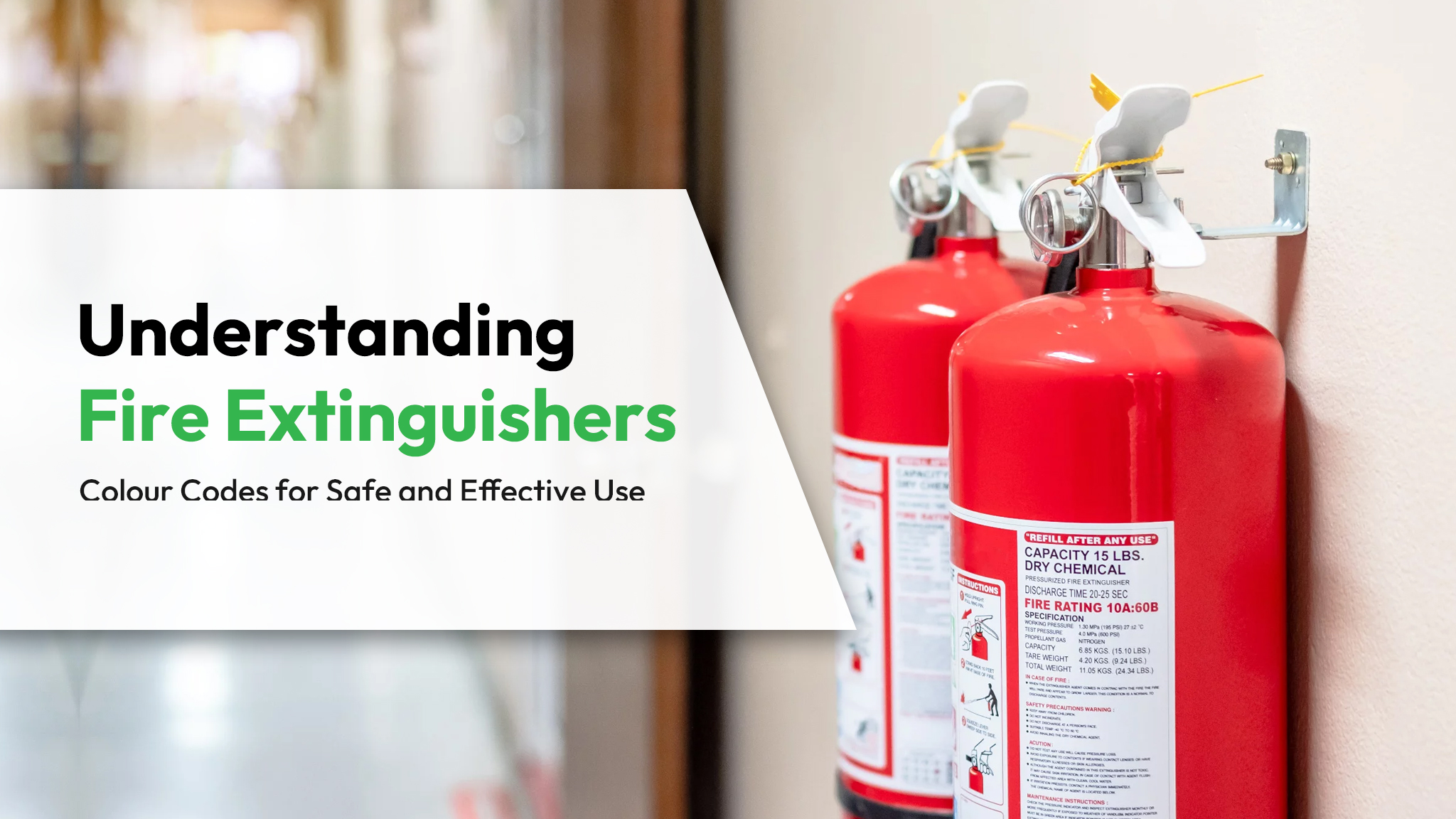
Fire Extinguishers Are Coded By The Following Colours. UK fire extinguishers are red with a coloured band showing the agent
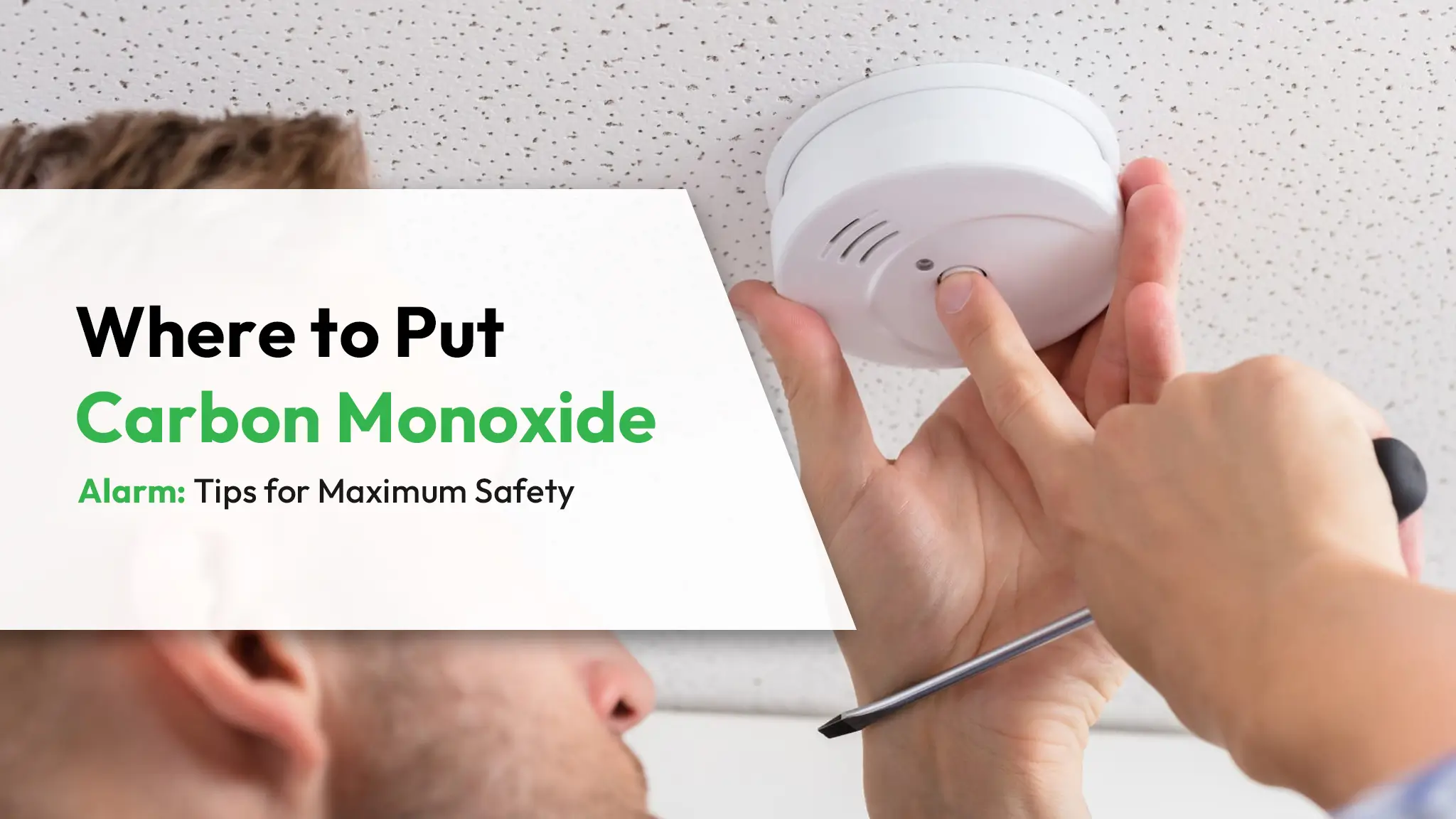
Carbon monoxide alarms should be installed outside each sleeping area and on every level of the home to provide reliable
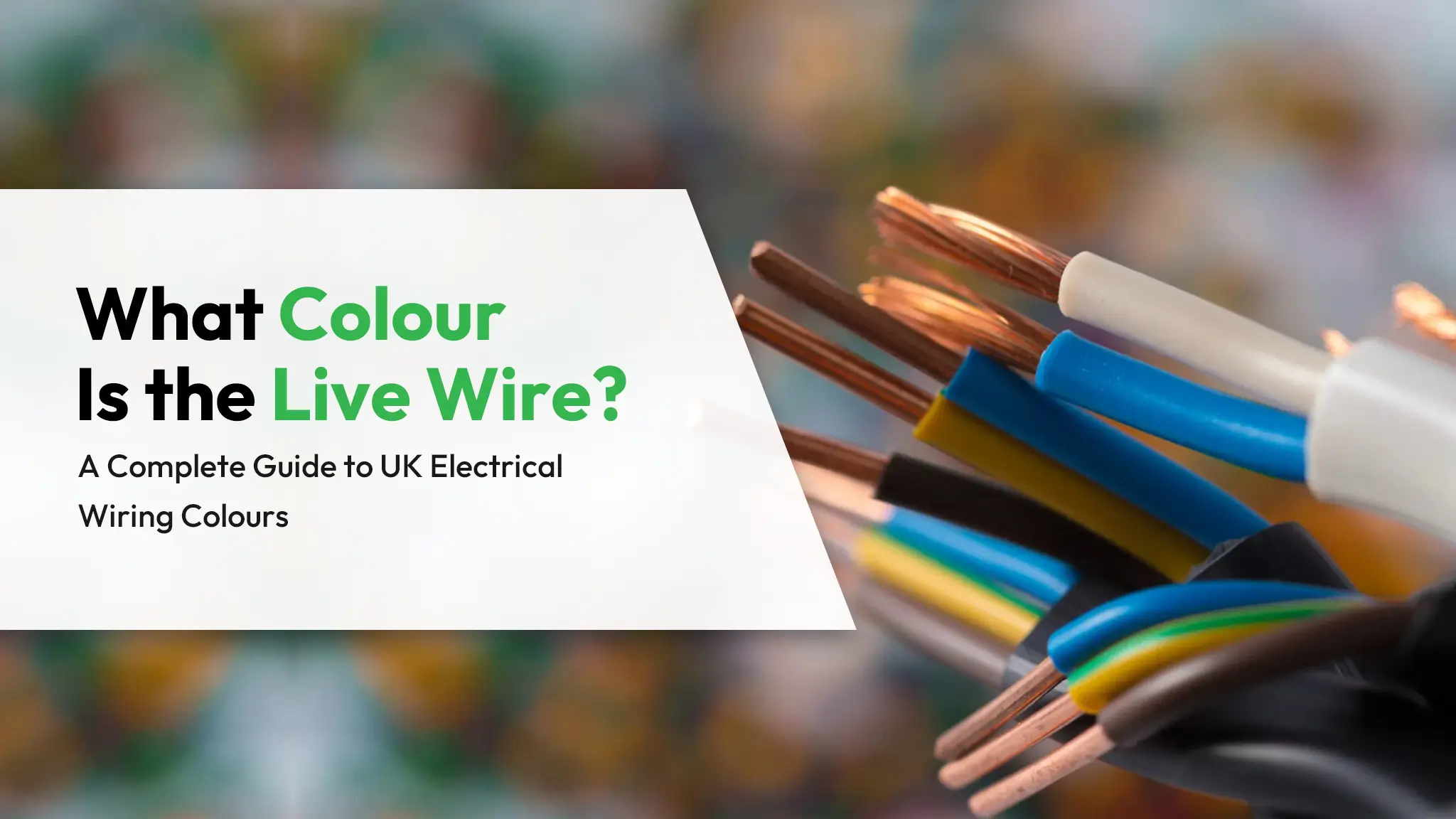
In modern UK electrical systems, the live wire is coloured brown, a standard implemented in 2004 to align with European
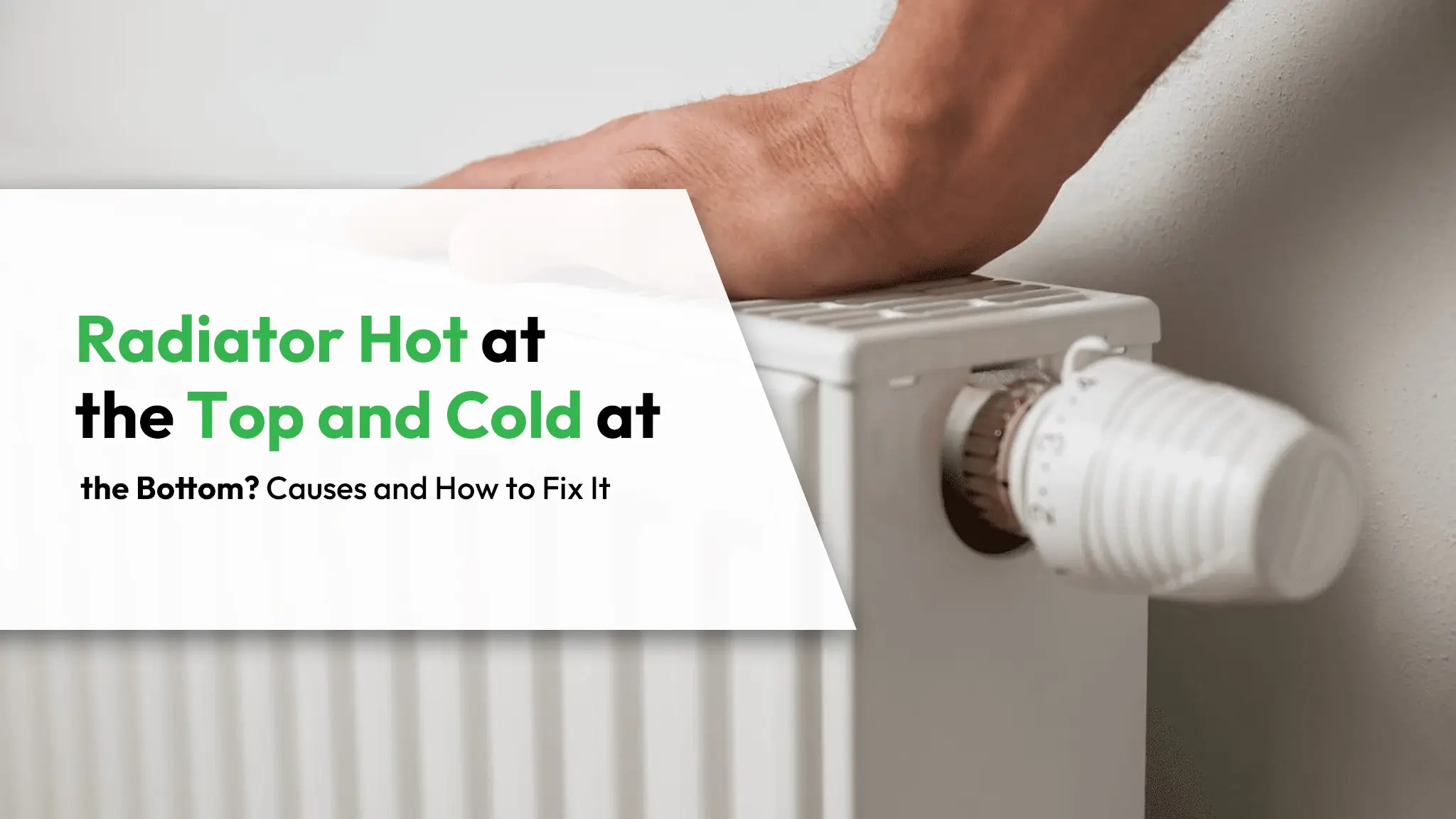
Radiator Hot at the Top and Cold at the Bottom? Causes and How to Fix It “A radiator hot at
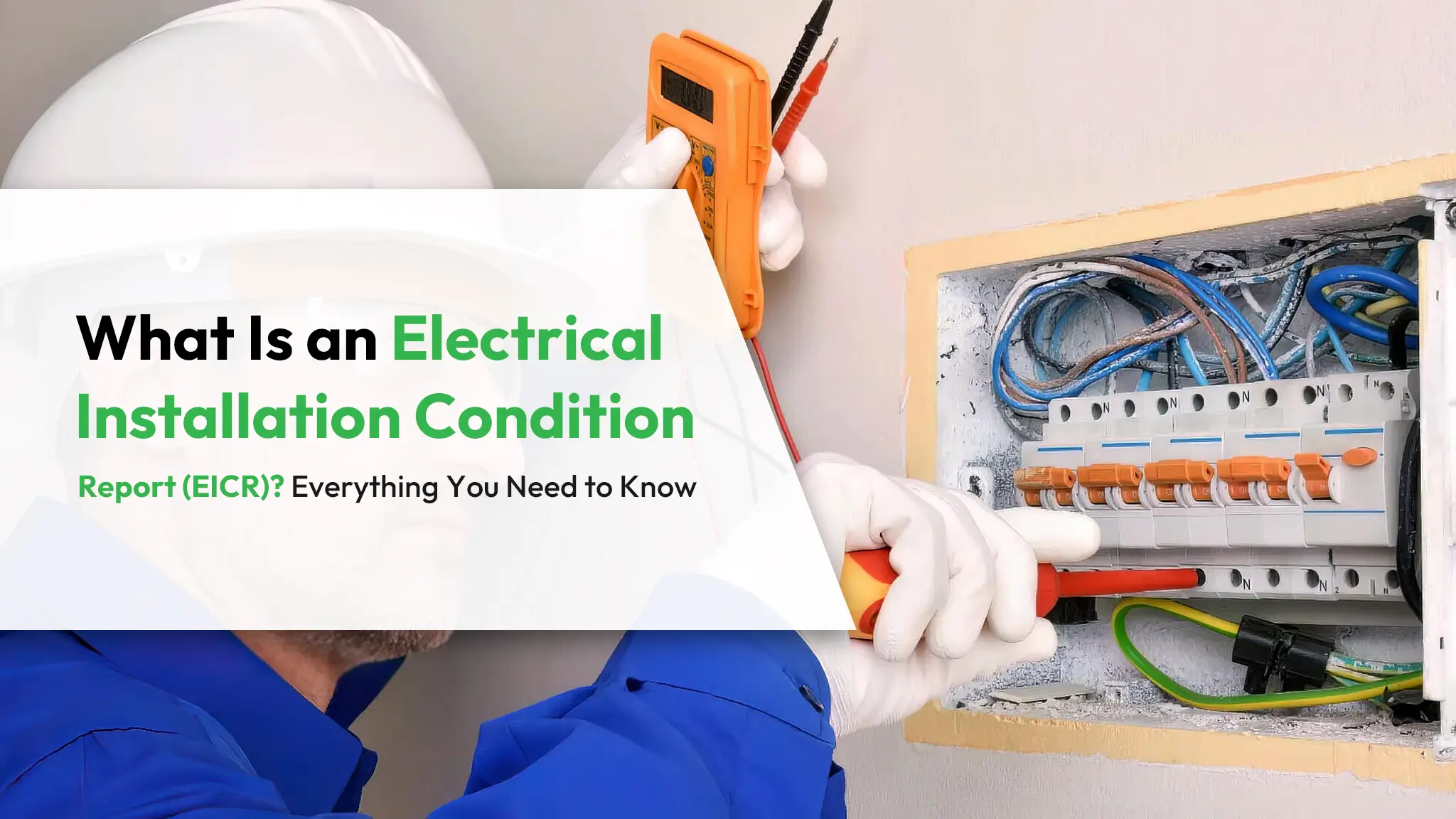
An Electrical Installation Condition Report (EICR) is a formal safety inspection of a property’s fixed electrical wiring and equipment. A
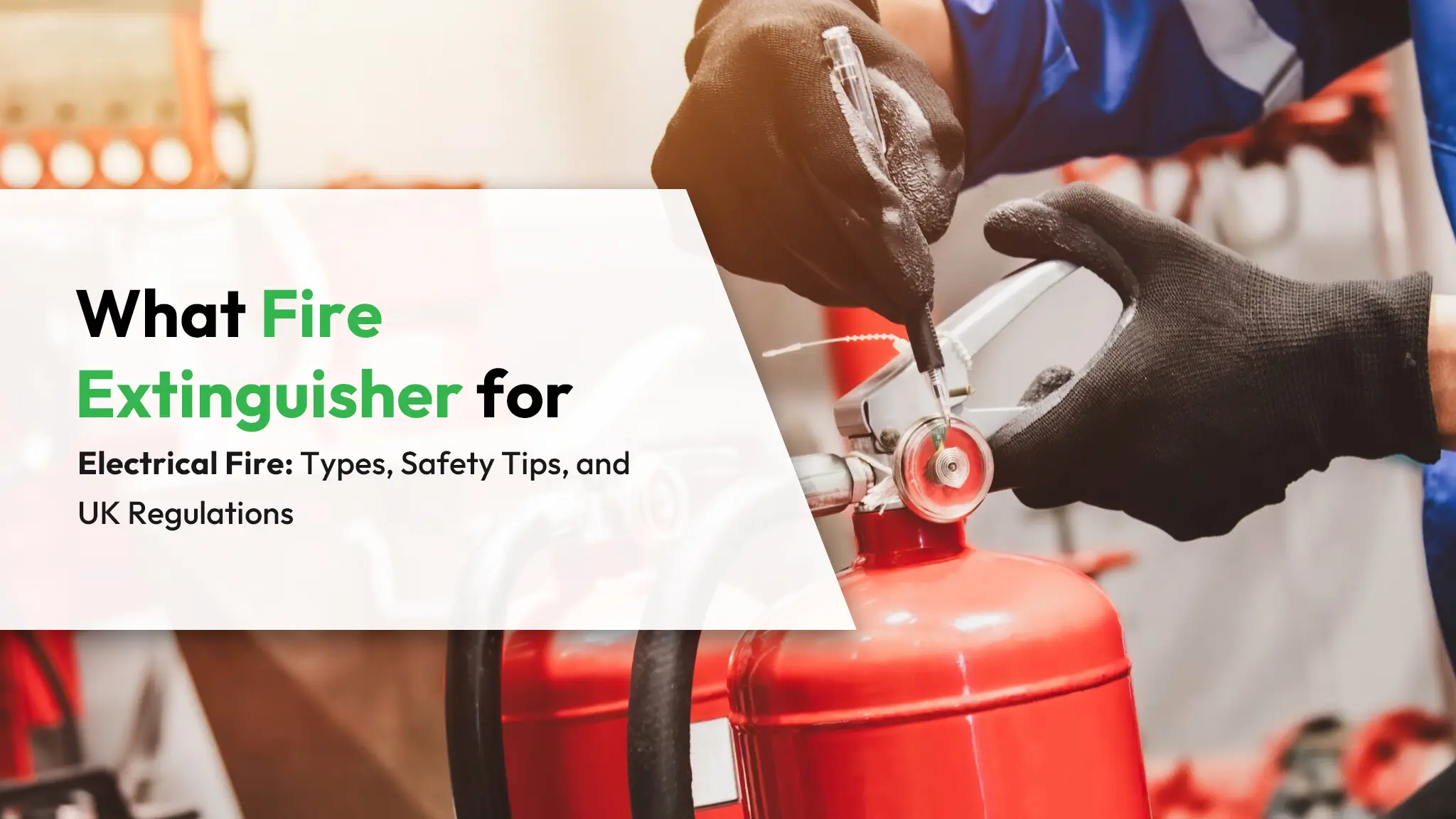
When dealing with electrical hazards, knowing what fire extinguisher for electrical fire is crucial. For electrical fires, CO₂ extinguishers, marked
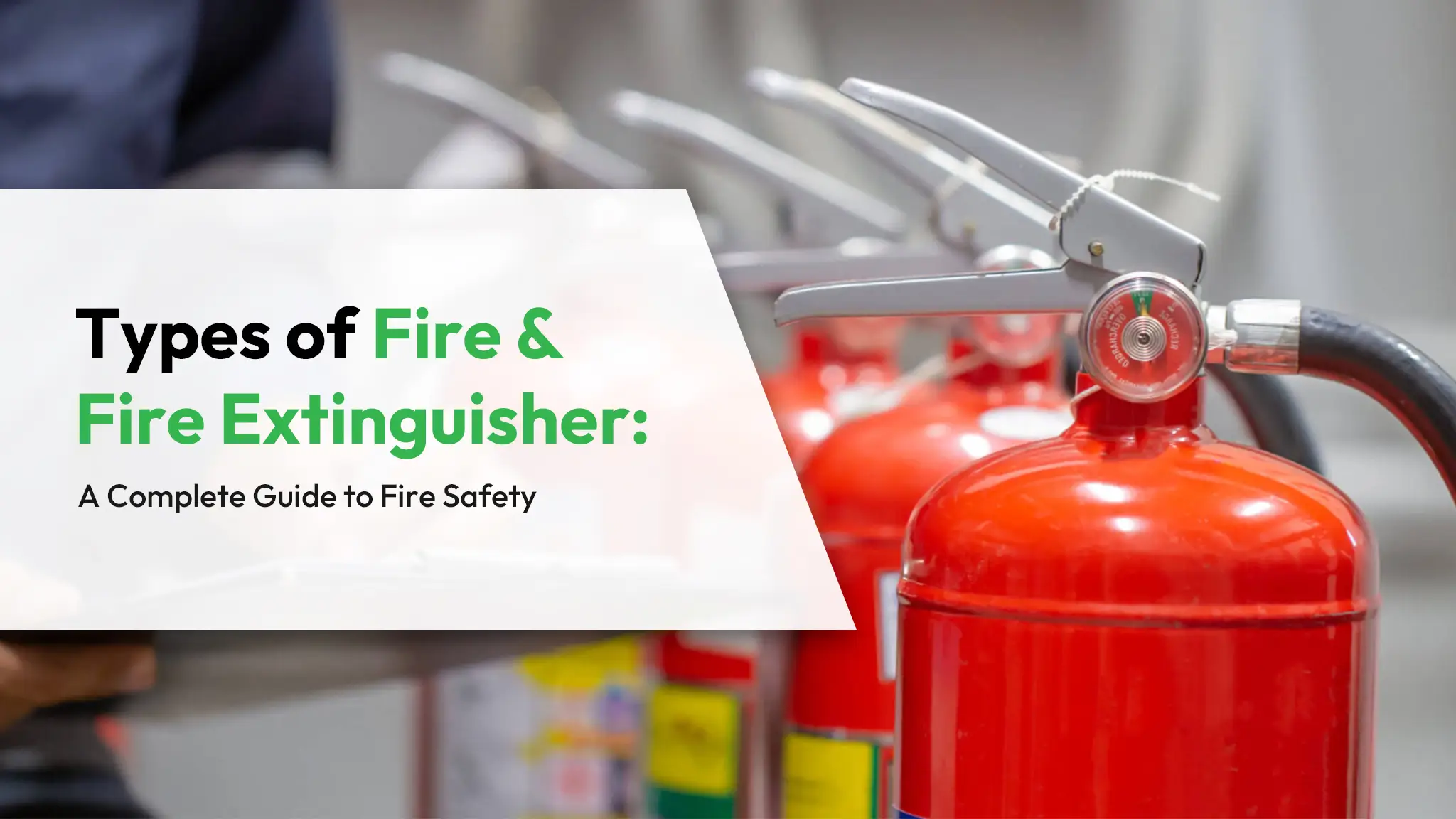
Understanding the types of fire and corresponding fire extinguishers is essential for safety. Fires are classified into five categories: A
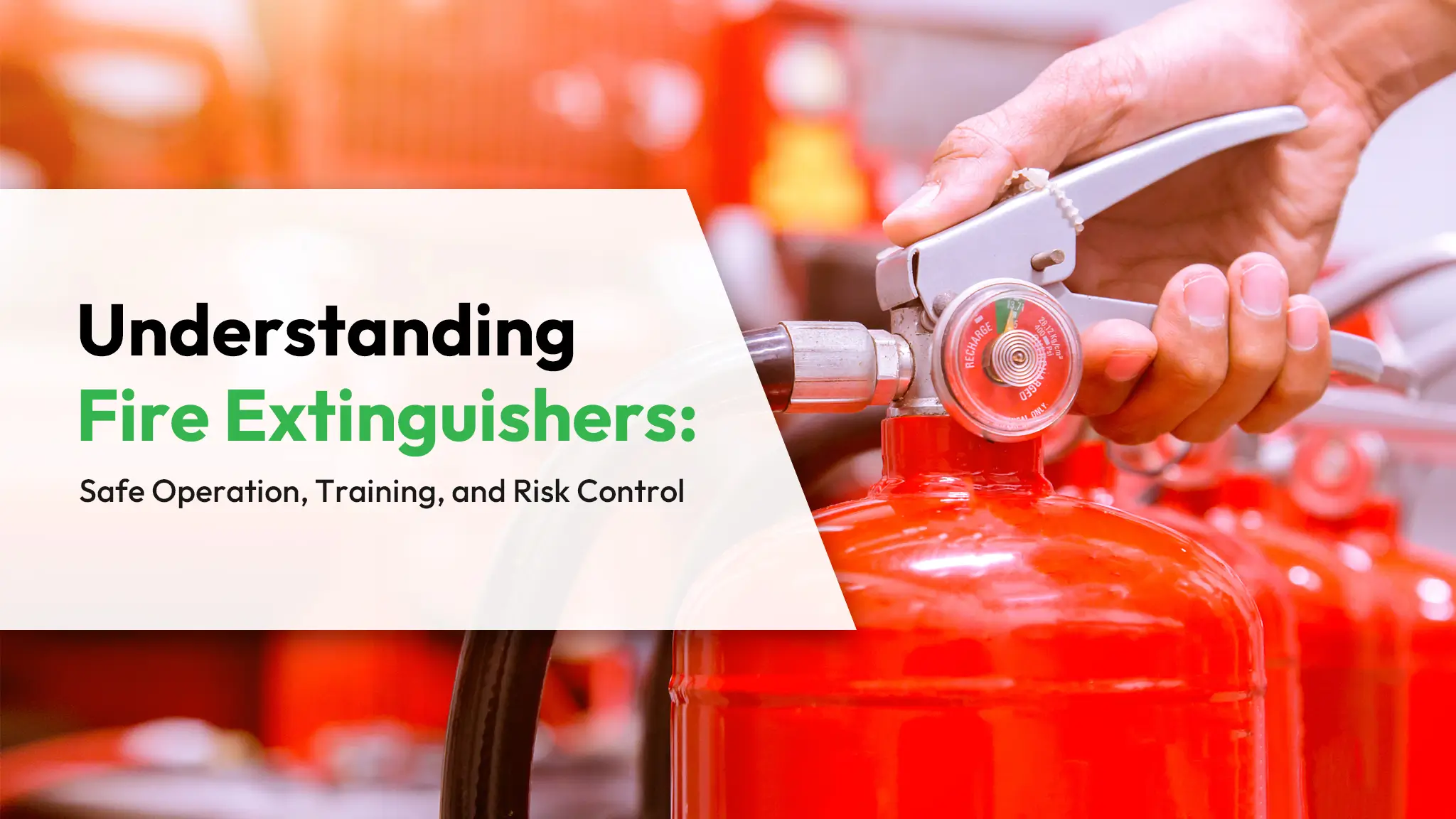
Understanding fire extinguishers is essential for effective emergency response, including knowing how to use fire extinguishers correctly. Knowing how to

A standard boiler service usually takes 45–60 minutes, though older, larger or poorly maintained systems can take up to 90
Choosing between maintained and non‑maintained emergency lighting depends on how a building is used, its legal duties and energy priorities.