


A boiler service typically lasts 30–60 minutes and includes visual and internal inspections, cleaning of heat exchanger and burners, filter and strainer checks, and functional tests of pressure, relief valves, and ignition. Technicians conduct combustion analysis of gas flow, oxygen, and CO, verify flue integrity and seals, and note any corrosion, leaks, or worn parts. Certified, insured professionals log objective data and advise on maintenance. Continue for a full breakdown of steps, tests, and parts addressed.
Key Takeaways
- Visual and documented inspection of the boiler casing, installation date, and previous service records for signs of corrosion or wear.
- Internal access checks with panels removed to inspect the heat exchanger, burner chamber, flueways, and component condition.
- Cleaning or replacement of heat exchanger surfaces, burners, filters, strainers, and ignition components to restore performance.
- Functional tests: system pressure check, combustion analysis (CO, O2, flue temp), and safety device verification (PRV, flame detection).
- Confirmation of technician qualifications (Gas Safe/manufacturer certification), warranty compliance, and written service findings with maintenance advice.
Boiler Service: Quick Summary – What to Expect
A typical boiler service lasts about 30–60 minutes and covers inspection, cleaning, safety checks, and performance verification to guarantee safe, efficient operation. The summary outlines practical outcomes: confirmation of safe combustion, seal integrity, pressure stability, and unobstructed flues. Visual checks identify corrosion, leaks, and wear; accessible components receive targeted cleaning and lubrication. Safety devices, such as thermostats, pressure relief valves, and carbon monoxide detectors, are tested for reliable response. Performance metrics such as gas pressure, burner response, and system bleed are measured to verify efficient heat delivery and fuel use. The technician documents findings, highlights urgent repairs, and suggests nonessential upgrades that enhance autonomy and reduce dependency on emergency calls. Homeowners receive concise advice on routine maintenance tasks they can perform to extend intervals between services. This compact overview prepares occupants for a straightforward, time-efficient appointment that prioritizes safety, efficiency, and the freedom to manage home heating proactively. Check out how to prepare your home before boiler service.
Technician’s Step‑by‑Step Boiler Inspection
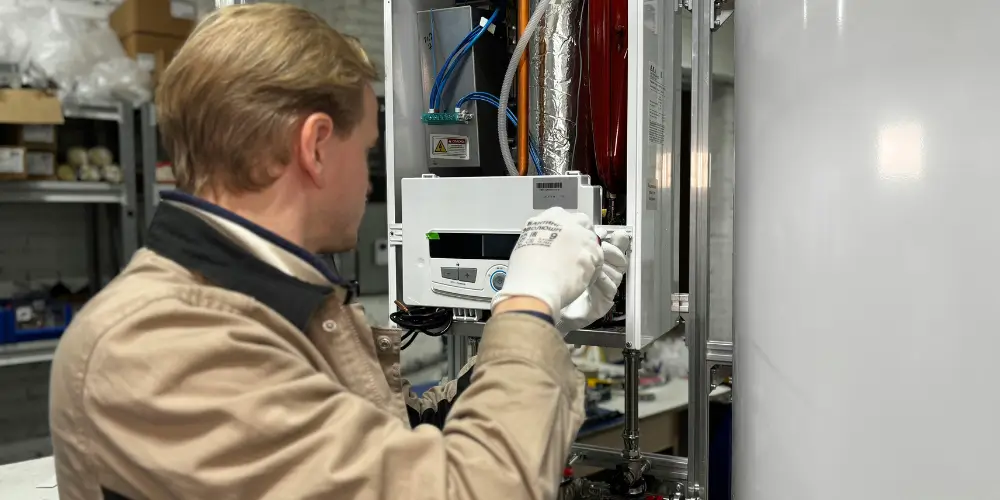
When the technician begins the inspection, they follow a structured sequence that moves from external checks to internal systems, ensuring no critical step is missed. They first assess the boiler’s exterior: casing condition, visible corrosion, pipework routing and insulation, and clearances for ventilation and service access. Documentation is reviewed on the next installation date, previous service records, and any reported issues to focus priorities and respect homeowner autonomy.
Attention then shifts to internal access: panels removed carefully, components visually checked for leaks, scale, soot, or loose connections. The heat exchanger, burner chamber, and flueway receive targeted inspection for buildup or damage. Controls and wiring are examined for secure terminals and correct labeling. Seals, gaskets, valves, and pressure relief fittings are inspected for integrity and proper operation. The technician notes any items requiring immediate attention versus those suitable for scheduled maintenance, providing concise recommendations so the homeowner can decide freely about repairs or upgrades. Learn why your boiler is not firing up for heating.
Common Tests in a Boiler Service: Pressure, Combustion, Safety
Having completed the visual and component inspection, the technician proceeds to quantitative tests that verify system performance and safety: Pressure checks confirm the boiler holds correct system pressure, ensuring efficient heat delivery and spotting leaks or expansion vessel issues. Combustion analysis measures gas flow, oxygen, carbon monoxide, and flue temperatures to verify proper fuel burn and safe exhaust. Safety device testing confirms operation of controls like the pressure relief valve, flame detection, and low-water/flow interlocks, reducing risk and preserving homeowner autonomy.
- Pressure: gauge reading, system fill, and relief valve verification.
- Combustion: flue gas analyser readings for CO, CO2/O2 balance, and draft.
- Safety: functional checks of interlocks, thermostats, and emergency shutoffs.
These tests produce objective data, enabling confident decisions about repairs or adjustments. Results are typically recorded and explained succinctly, giving the homeowner clear, actionable information to maintain comfort and freedom without unnecessary technical complexity. Understand what a boiler pressure should be.
Parts Often Cleaned, Adjusted, or Replaced During Service
Routine maintenance targets specific components that most affect efficiency, safety, and longevity. Technicians commonly clean heat exchanger surfaces to remove soot and scale that reduce heat transfer, restoring output and fuel economy. Burners and pilot assemblies are inspected and adjusted; deposits or misalignment can cause incomplete combustion and wasted energy. Filters and strainers get cleared or replaced to maintain flow and protect pumps and valves. Expansion vessels and pressure relief valves are checked and may be serviced or swapped if corrosion or loss of function is present, guaranteeing system stability and safety. Circulation pumps receive lubrication, seal checks, and occasional replacement when wear compromises flow. Thermostats, sensors, and electrical connections are tightened, recalibrated, or replaced to preserve control accuracy and prevent faults. Ignition components, such as electrodes and lead wires, are cleaned or renewed to ensure reliable starts. Flue terminals are cleared to guarantee proper ventilation and prevent backdraft risks. These targeted actions sustain performance and homeowner autonomy over their heating system.
Who Should Service Your Home Boiler: Certifications to Check
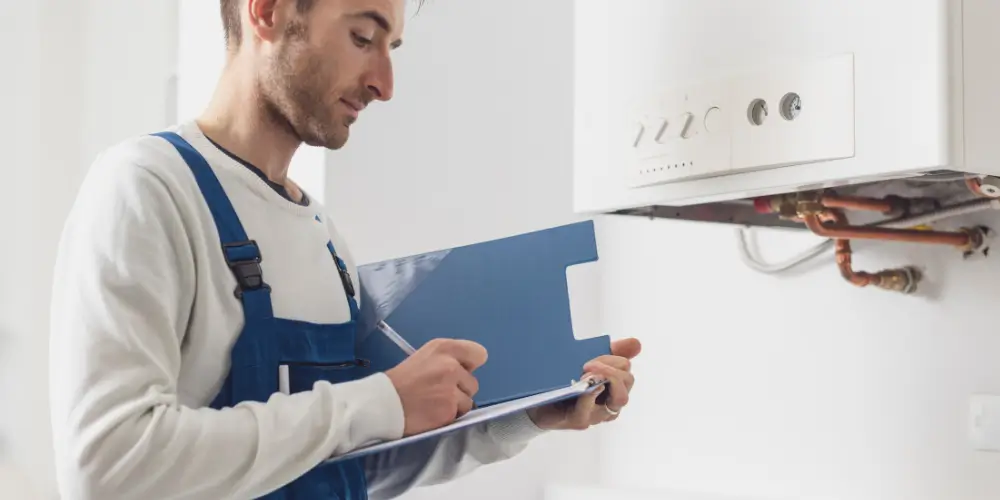
Choosing the right professional to service a home boiler requires attention to specific certifications that indicate training, compliance, and insurance. A qualified technician guarantees safety, efficiency, and legal compliance while preserving homeowner autonomy in choices and scheduling. Look for credentials that demonstrate formal training, up-to-date industry knowledge, and authorized access to boilers.
Key certifications and credentials include:
- Gas Safe (or local equivalent) registration for any gas boiler work, proving legal authorization and competence.
- Manufacturer-authorised service technician certification, indicating specialized training and warranty-compliant repairs.
- Accredited trade qualifications and insurance (e.g., NVQ, EPA, or equivalent) showing formal education and liability coverage.
Confirm certification validity, recent renewal dates, and ask for identification and written estimates. Independent reviews and transparent communication about parts, diagnostics, and optional upgrades empower homeowners to decide freely. Prioritizing certified professionals reduces risk and supports informed choices without relinquishing control.
Frequently Asked Questions
How Long Does a Boiler Service Appointment Usually Take?
A boiler service appointment usually takes about 45 to 90 minutes. The technician moves methodically, balancing thorough inspection with efficiency, ensuring safety and performance while respecting the homeowner’s time and preference for autonomy.
Can a Homeowner Perform Basic Boiler Maintenance Safely?
Yes, a homeowner can safely perform basic boiler maintenance like checking pressure, bleeding radiators, and keeping vents clear, provided they follow manufacturer instructions, use proper tools, and stop to call a qualified technician for complex issues.
Will a Service Improve My Boiler’s Energy Efficiency?
Yes, a professional service often improves efficiency by cleaning, adjusting, and tuning components; they replace worn parts, check combustion and controls, and optimize settings, enabling the homeowner to save fuel, reduce bills, and maintain independent comfort.
Do Boiler Service Records Affect Home Insurance or Resale Value?
Yes, documented boiler services can lower insurer risk perception and boost resale appeal. The homeowner’s records reassure buyers and underwriters, potentially reducing premiums and increasing marketability while supporting claims and demonstrating responsible property stewardship.
What Should I Do if My Boiler Fails Shortly After Servicing?
They should contact the servicing company immediately, assert warranty or guarantee rights, document failures with photos and notes, seek a prompt re-inspection or repair, and consider an independent inspection if dissatisfaction persists.
Conclusion
Regular boiler servicing gives homeowners peace of mind by validating safe, efficient operation and identifying wear before failures occur. A qualified technician conducts a systematic inspection, performs pressure, combustion, and safety tests, and cleans or replaces common components such as filters, seals, and burners. Choosing certified professionals guarantees compliance with regulations and warranty terms. Routine annual checks prolong boiler lifespan, reduce energy bills, and protect occupants from carbon monoxide and unexpected breakdowns.