


Most modern domestic boilers run safely and efficiently at around 1.0–1.5 bar when cold, rising to but generally staying below 2.5 bar when the heating is on. Smaller homes often work well near 1.0–1.2 bar, while larger properties may need closer to 1.5 bar. Consistently low or high readings can signal water loss, trapped air, or overfilling. Anyone unsure about their gauge, symptoms, or simple fixes can gain clearer guidance just ahead.
Key Takeaways
- For most modern domestic boilers, the ideal cold pressure is between 1.0 and 1.5 bar when the heating is off.
- When the heating is on, pressure typically rises by 0.3–0.7 bar but should remain below about 2.5 bar.
- Smaller homes often run best at around 1.0–1.2 bar cold, while larger systems may need closer to 1.5 bar.
- Pressure consistently below 1.0 bar or above 1.5 bar cold indicates a possible issue needing investigation or adjustment.
- Always compare the gauge reading with your boiler manufacturer’s recommended range and seek professional help if the pressure remains abnormal.
What Your Boiler Pressure Should Be (Quick Answer)
For most modern domestic boilers, the correct pressure when the system is cold typically falls between 1.0 and 1.5 bar, and it should usually stay below about 2.5 bar when the system is hot and running. This range balances safe operation with efficient heat output without locking the household into unnecessary restrictions or risks.
Within that band, a slightly lower cold pressure (around 1.0–1.2 bar) often suits smaller homes and flats, while larger properties with longer pipe runs may sit closer to 1.5 bar. When heating is on, and water expands, the pressure typically rises by about 0.3–0.7 bar.
Consistently low pressure points toward leaks or insufficient system charge, limiting heating performance. Persistently high pressure signals expansion or component issues and can trigger safety devices. Staying within the ideal range keeps the boiler operating reliably, without surrendering comfort or control.
How to Check Your Boiler Pressure
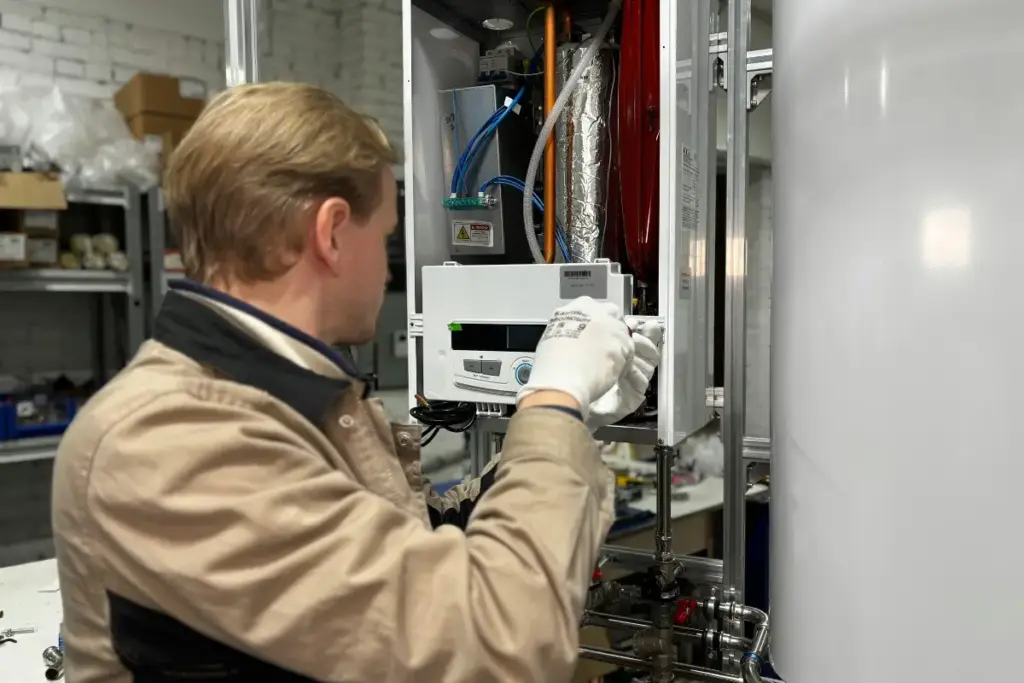
Most homeowners can confirm their boiler’s pressure in under a minute by checking the built‑in gauge on the front of the unit or nearby pipework. The gauge usually shows pressure in bar, with clear numbers and a needle or digital display. Before looking, the person verifies the area is well-lit and the boiler is accessible without moving panels or tampering with sealed covers.
They locate the circular or digital gauge, then read the number indicated by the needle or screen. Many gauges have a green band to indicate the typical operating range and a red band to highlight risky pressure levels.
The individual notes the reading and compares it with the manufacturer’s recommended range in the user manual or on the data plate. If the number falls outside that range, they record it, avoid adjusting anything hastily, and decide calmly whether to consult the instructions or a qualified engineer.
Normal Boiler Pressure When Heating Is Off
A typical sealed domestic boiler should show a “cold” pressure of around 1.0 to 1.5 bar when the heating is off, and the system has cooled to room temperature. This range indicates the system is comfortably filled without being over-pressurised, allowing the household to run heat on its own terms without constant engineer visits or safety concerns.
When the heating is off, the pressure should remain within the boiler’s green zone (if marked) or near the manufacturer’s stated cold operating pressure. Readings slightly below 1.0 bar may indicate gradual water loss, trapped air, or the need to top up. Readings above 1.5 bar may indicate an overfilled system or expansion vessel issues.
Normal Boiler Pressure When Heating Is On
When the heating is on and the radiators are warming up, boiler pressure is expected to rise above its cold level, typically sitting around 1.5 to 2.0 bar in a healthy sealed system. This gentle increase reflects water expanding as it heats, not a fault. Observing this rise lets a homeowner confirm that the system is working as designed without requiring constant intervention or expert oversight.
During active heating, many manufacturers regard anything up to about 2.5 bar as acceptable, provided the pressure drops back as the system cools. A stable pattern, modest rise when heating, steady reading during operation, gradual fall when off, supports efficient energy use and dependable comfort.
Homeowners who want control over their space often:
- Check the pressure gauge when the boiler is fully warmed
- Note any sudden spikes or erratic swings
- Compare readings with the boiler manual’s stated range
- Log typical “heating on” values for future reference
Signs Your Boiler Pressure Is Too Low
As well as rising too high, boiler pressure can also drop below the recommended range, and this usually shows up in noticeable changes around the home. The most immediate sign is lukewarm radiators, especially at the top, while the boiler runs longer than usual to reach the same temperature. Showers and taps may lose their former power, turning what used to be an invigorating blast into a thin trickle.
A quick glance at the pressure gauge often confirms the suspicion: the needle sits well below the normal “green” zone. The boiler may intermittently cut out, requiring frequent resets, which limits comfort and disrupts daily rhythms.
| What is noticed | Where it appears | What it suggests |
| Cooler radiators | Living areas | Pressure is likely too low |
| Weaker hot water flow | Showers and taps | Reduced system strength |
| Frequent boiler resets | Boiler control panel | Safety lockouts occurring |
Signs Your Boiler Pressure Is Too High
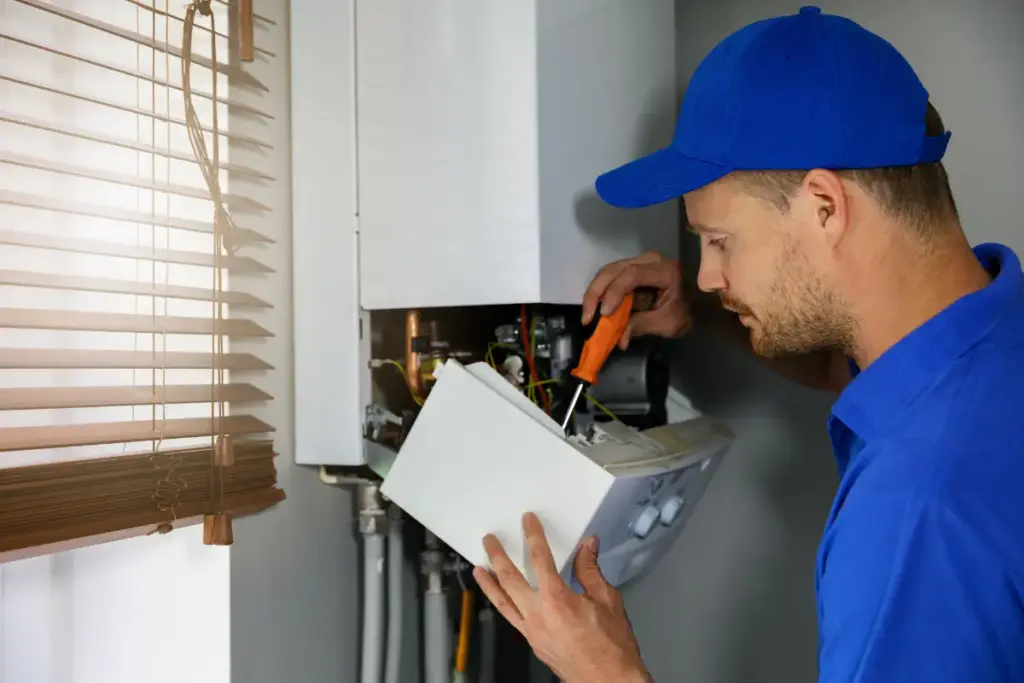
Although high boiler pressure can seem less alarming than low pressure at first glance, it often manifests as distinct, sometimes noisy changes in the system’s behaviour. A homeowner who values independence will usually notice the pressure gauge creeping well above the manufacturer’s recommended “green zone,” especially when the heating or hot water is running.
Radiators may feel unevenly hot or hiss more than usual, signalling that the system is being pushed harder than necessary.
Common signs include:
- Gauge consistently above the ideal range, particularly when the boiler is idle or only lightly used.
- Frequent dripping from the pressure relief pipe outside indicates the safety valve is releasing excess pressure.
- Louder operation, with banging, clunking, or whistling sounds as water and air are forced through pipework.
- More rapid cycling on and off indicates the boiler is struggling to stabilise the temperature under excessive pressure.
How to Safely Fix and Prevent Boiler Pressure Problems
Addressing boiler pressure issues safely starts with understanding what a competent homeowner can reasonably do and where professional help is essential. A homeowner can bleed radiators, top up pressure via the filling loop according to the manual, and visually inspect for leaks. They should avoid opening the boiler casing, tampering with gas components, or overriding safety devices; these actions are strictly the responsibility of a certified engineer.
To keep pressure stable and avoid breakdowns, regular checks are key: monitoring the gauge, listening for unusual noises, and scheduling annual servicing. Preventive habits preserve both freedom from sudden failures and control over energy costs.
| Action / Sign | What Can Do? | Professional Required? |
| Read the pressure gauge | Yes | No |
| Bleed radiators | Yes, with guidance | Rarely |
| Re-pressurise via the loop | Yes, per the manufacturer | If pressure drops repeatedly |
| Fix leaks or faulty valves | No | Always |
Frequently Asked Questions
Can Incorrect Boiler Pressure Increase My Energy Bills Significantly?
Yes, incorrect boiler pressure can raise energy bills considerably. When pressure is too low or high, the system cycles inefficiently, burns more fuel, and wastes heat, limiting both comfort and control over personal energy use.
How Does Boiler Pressure Affect Radiator Heat Distribution?
Boiler pressure drives water flow; too low, radiators heat unevenly and distant rooms stay cooler, too high risks noise and strain. Balanced pressure allows heat to spread freely, maximising comfort, control, and efficient warmth throughout the entire system.
Is Boiler Pressure Different for Combi and System Boilers?
Yes. Combi boilers typically run around 1.0–1.5 bar cold, 2.0–2.5 bar hot, while system boilers may operate slightly higher. Each design’s manual defines its pressure window, letting users tune performance without unnecessary constraints.
Can Weather or Altitude Changes Affect My Boiler Pressure?
Yes, changes in weather and altitude can affect boiler pressure. Atmospheric pressure drops with height and changing temperatures, altering system balance. Expansion, contraction, and vent behaviour may trigger minor fluctuations, demanding occasional bleeding, topping up, and pressure‑gauge vigilance.
How Often Should a Professional Check My Boiler Pressure System?
A professional should check the boiler pressure system annually, though heavily used or older systems benefit from biannual checks. Regular professional inspections safeguard efficiency, prevent silent failures, preserve warranty rights, and keep the owner free from unexpected breakdowns or safety risks.
Conclusion
In conclusion, understanding the ideal boiler pressure helps ensure safe, efficient operation and prolongs the system’s lifespan. By regularly checking readings when the heating is both on and off, homeowners can spot early signs of pressure being too high or too low. Recognising common symptoms and applying safe, simple fixes, while knowing when to call a professional, helps them prevent breakdowns, reduce energy waste, and maintain consistent comfort throughout their home and what should a boiler pressure be.