


PAT stands for Portable Appliance Testing. It is a simple safety process used to check that electrical appliances are safe to use and unlikely to cause electric shock, burns, or fire. A tester visually inspects items and uses a handheld device to confirm cables, plugs and insulation are sound. It is widely used in workplaces, rentals and events to show compliance with safety laws. The points below explain what does PAT test stand for, what it involves, who needs it and how often.
Key Takeaways
- PAT stands for Portable Appliance Testing, a safety check for electrical appliances that plug into mains power.
- It combines visual inspection and electrical tests to reduce risks of electric shock, burns, or fire.
- PAT testing helps employers, landlords, and event organisers prove compliance with electrical safety regulations.
- Appliances like kettles, computers, heaters, and power tools are typical items included in PAT tests.
- Test results are recorded as pass or fail, often labelled with stickers and documented in formal reports.
What Does PAT Testing Actually Mean?
When referring to electrical safety in workplaces or rented properties, PAT testing, short for Portable Appliance Testing, denotes the systematic inspection and testing of electrical appliances to verify their safety. It is a structured way of checking that plug‑in equipment will not expose people to avoidable electric shock, burns, or fire.
In plain terms, PAT testing is about confirming that everyday electrical items people rely on for work and living, kettles, heaters, power tools, and IT equipment are not quietly turning into hazards. It translates legal and insurance obligations into a clear, auditable process that shows appliances have been checked against recognised safety standards.
For those who value autonomy, PAT testing can be seen less as bureaucratic red tape and more as a practical safeguard: it documents that the equipment they choose to use, rent out, or provide to others respects a basic right to a safe environment. Visit our blog post What Is a Portable Appliance Test to know about PAT Testing in detail.

How Does PAT Testing Work?
Although PAT testing involves specialist equipment and know‑how, the basic idea is straightforward: each appliance is checked in two main ways by careful visual inspection and by simple electrical tests.
First, the tester looks for anything that might trap someone: damaged cables, loose plugs, cracked casings, exposed wires, or signs of overheating. This step alone often catches the most dangerous problems.
Then, a handheld PAT tester is connected. It runs a series of quick checks: earth continuity (is the earthing path solid), insulation resistance (can electricity escape where it shouldn’t), and, where needed, a basic function test. Results appear as a clear pass or fail.
For people who value independence, this process ultimately protects their right to work and live without nasty shocks, literal or legal:
- Freedom from hidden electrical dangers
- Freedom to run equipment with confidence
- Freedom to meet rules without red tape panic
- Freedom to focus on real work, not worry
Which Appliances Actually Need a PAT Test?
Despite the name, not every plug-in device in a building automatically needs a PAT test. Attention focuses on items that could realistically harm people or disrupt their ability to live and work freely.
In practice, this usually includes any appliance connected to the mains with a plug: computers, monitors, kettles, heaters, extension leads, chargers, power tools, and cleaning equipment like vacuum cleaners.
Higher‑risk items come first. Anything portable, frequently moved, or used by many different people tends to warrant testing: tools on construction sites, equipment in shared offices, rental gear, kits in community spaces, and appliances in hospitality venues. Devices exposed to moisture, dust, vibration, or rough handling also move up the priority list.
Who Is Legally Responsible for PAT Testing?
Understanding which appliances fall into scope naturally raises a further question: who carries the legal duty to keep them safe?
In law, responsibility does not rest with the tester, but with the “duty holder” the person or organisation in control of the workplace or property. That might be an employer, a landlord, a self‑employed contractor, or a facilities manager acting for a company or charity.
The duty holder must guarantee that electrical equipment is safe, and PAT testing is one recognised method of demonstrating that the duty has been met. They can hire a competent contractor or use trained staff, but they cannot outsource legal accountability. This responsibility matters because unsafe electrics can quietly strip away freedom: freedom to work, to trade, to live securely. Read Is PAT Testing a Legal Requirement? Understanding the Necessity to understand more legal requirements.
People often feel the weight of this when they realise what is really at stake:
- Lives
- Livelihoods
- Homes
- Hard‑won independence
How Often Should You Test Your Electrical Equipment?
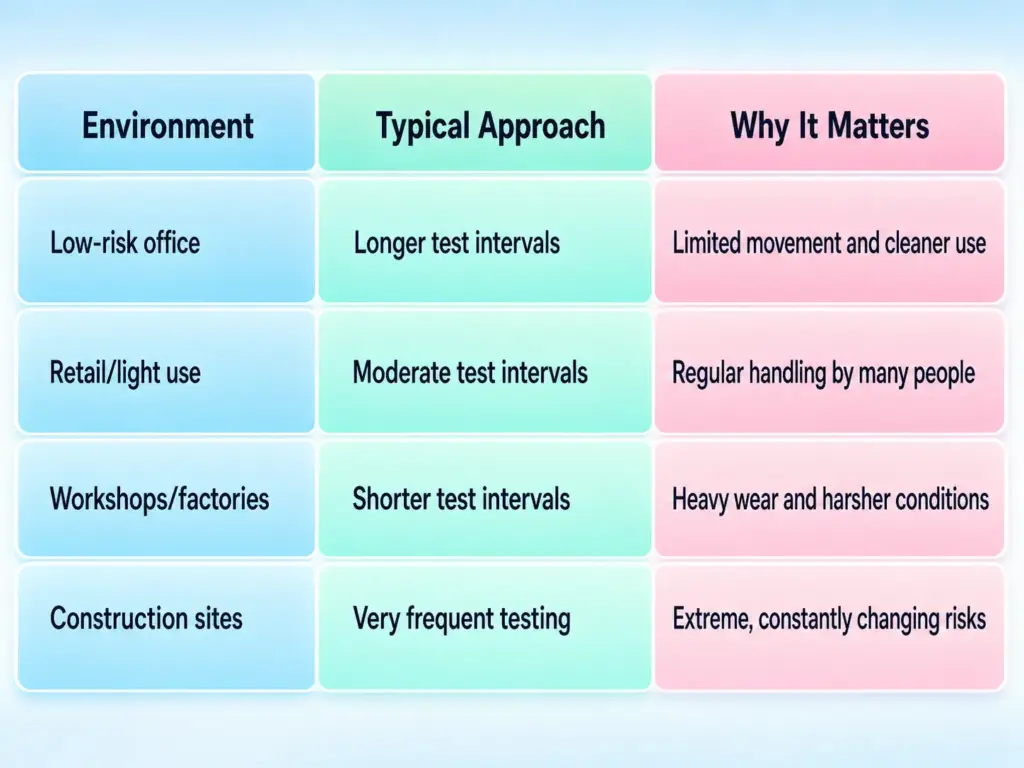
How often electrical equipment should be tested depends on the level of risk, not a one‑size‑fits‑all timetable. Instead of blindly following a fixed calendar, a responsible owner looks at how and where each item is used. A drill on a muddy building site faces harsher conditions than a printer in a calm office and may need more frequent checks.
A simple way to stay compliant without over‑testing is to combine formal PAT testing with quick, visual checks and good record‑keeping. That approach respects both safety and autonomy: everything is tested often enough, but not more than necessary.
What Happens During a PAT Testing Visit?
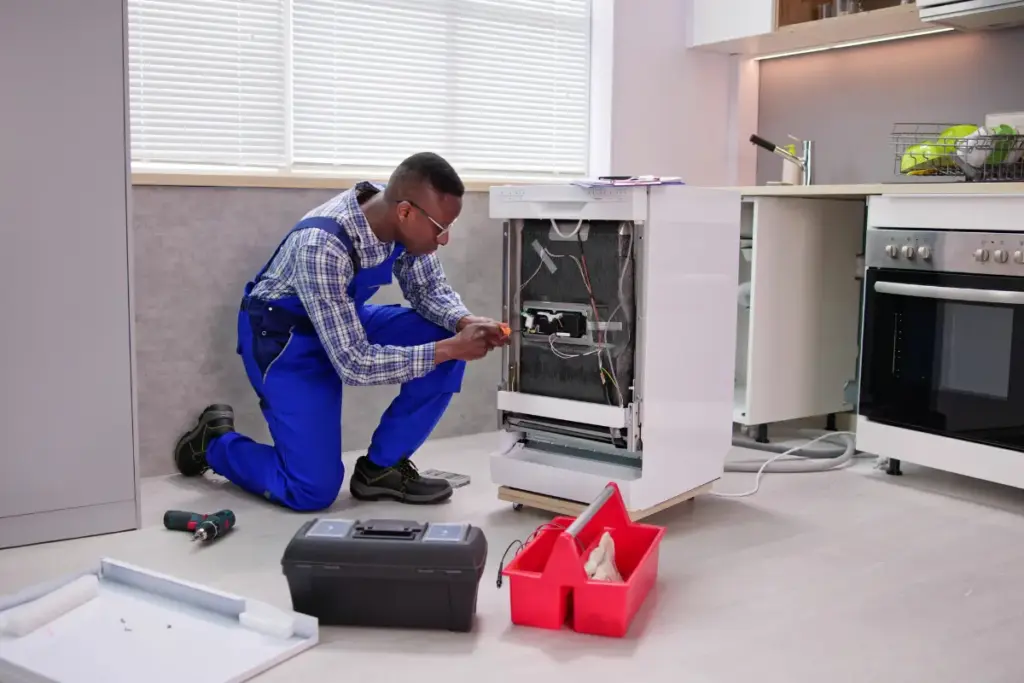
A typical PAT testing visit follows a clear, methodical routine designed to minimise disruption. The tester arrives with portable instruments, confirming access and agreeing on priorities so people can keep working.
They move systematically through the building, checking each item on the asset list or creating one if it does not yet exist. Each appliance is unplugged, visually inspected, and then tested with specialised equipment. Earth continuity, insulation resistance, and basic functionality are checked where appropriate.
Leads, plugs, and extension reels are examined closely, as these often hide the most serious risks. Throughout the visit, the tester aims to protect both safety and autonomy, ensuring equipment remains available whenever possible.
Many people feel a quiet relief as hazards are uncovered and resolved:
- Freedom from hidden electrical dangers
- Confidence to use essential tools without hesitation
- Reassurance that legal duties are under control
- Space to focus on real work, not looming risks
What Do PAT Test Stickers and Results Mean?
During or after a visit, PAT test stickers and reports translate technical checks into clear, everyday signals about equipment safety. A simple sticker on a plug or casing tells anyone, at a glance, whether an item is considered safe to use at the time of testing. Green usually means “pass”, red “fail”, though colours can vary, so the wording is what truly matters.
Each sticker typically shows the test date, a retest due date, the asset or appliance ID, and the tester’s details. This creates a quick trail of accountability and lets people decide confidently which items to use. The written PAT report goes deeper: it lists every item tested, locations, test results, and any defects found.
Read alongside the stickers, it helps owners prioritise repairs, remove unsafe gear from use, and keep only reliable, ready‑to‑go equipment in their space.
PAT Testing Rules for Workplaces, Rentals and Events
PAT testing rules do not exist in isolation; they sit within wider health and safety laws that expect employers, landlords and event organisers to keep electrical equipment safe.
There is no single Act demanding “PAT tests”, yet regulations require that equipment is maintained so people are not put at risk. PAT is simply a recognised way to prove this. In workplaces, employers must assess risks and test higher‑risk or heavily used items more often.
Landlords are expected to guarantee that the portable appliances they provide in rentals are safe throughout a tenancy. Event organisers face extra scrutiny: temporary power, mixed ownership of kit and public access usually justify tighter inspection schedules and clear records. What Does PAT Test Stand For? Landlords and organisers should understand how to keep appliances safe and properly maintained.
Behind the legal language lies a simple aim:
- Freedom from avoidable electric shock and fire
- Freedom to work without hidden hazards
- Freedom for tenants to trust the supplied appliances
- Freedom to run events confidently, with evidence of safety
How to Choose a Competent PAT Tester
Selecting a competent PAT tester starts with confirming genuine competence rather ‘than relying on a cheap quote or a familiar logo.
Someone who wants real freedom from worry begins by checking that the tester holds recognised electrical qualifications, current PAT training, and up‑to‑date calibration certificates for their test instruments. Proper insurance, including public liability and professional indemnity, also matters.
A freedom-minded client then looks for transparent methods. A good PAT tester explains what does PAT test stand for, what will be tested, which standards apply, and when retesting is sensible, without pushing unnecessary work. They provide clear, itemised reports that list each appliance, results, and any failures, with practical recommendations rather than fear-based sales tactics.
References and reviews help confirm reliability and punctuality, especially for workplaces, rentals, and events where downtime is costly. Finally, a competent PAT tester respects access, minimises disruption, and leaves the owner in control, not dependent or confused.
Frequently Asked Questions
Is PAT Testing Required for Second-Hand Electrical Items I Sell Privately?
PAT testing is not legally required for private second‑hand sales, but the seller still carries responsibility under consumer law. A cautious, freedom‑minded seller may choose testing or clear written disclaimers to reduce risk and disputes.
Can I Perform PAT Testing Myself With a Basic Plug-In Tester?
No. A basic plug‑in tester cannot perform full PAT testing. Proper PAT requires calibrated equipment, visual inspection skills, and competence training. DIY checks help, but legal and safety responsibilities still rest fully on the person selling or supplying appliances.
Does New Equipment Straight From the Box Ever Need PAT Testing?
Yes, brand‑new equipment can still require PAT testing. A freedom‑minded user may rely on the initial manufacturer’s safety, but many workplaces insist on visual checks or full tests before first use to document compliance.
How Much Does PAT Testing Typically Cost per Appliance?
PAT testing typically costs around £1–£2.50 per appliance, often with minimum call‑out charges. Prices drop for bulk quantities, so workplaces or shared spaces can negotiate lower rates and keep electrical safety checks economically manageable.
Can PAT Testing Be Combined With My Regular Electrical Installation Inspection?
Yes, PAT testing can usually be combined with regular electrical installation inspections, giving people one efficient visit, shared reports, and reduced disruption, provided the chosen electrician is qualified, and both parties clearly agree on the combined scope in advance.
Conclusion
PAT testing simply means regularly checking electrical items to keep people safe and businesses compliant. By understanding what’s involved, who is responsible, and how often tests are needed, duty holders can plan sensibly rather than guessing. Clear records, proper labelling, and the use of a competent tester help prove that reasonable care has been taken. Ultimately, what does PAT test stand for is not about ticking boxes, but about preventing avoidable accidents and keeping workplaces, rentals and events running safely.