

Fire Prevention Checklist: A concise fire-prevention checklist helps UK property owners and occupants reduce risk and meet legal duties. Daily checks include attended cooking, switched-off heaters, safe cigarette disposal and clear escape routes. Weekly tasks cover wiring checks and moving combustibles away from heat. Fit mains smoke alarms with battery backup, heat alarms in kitchens, and test and clean regularly. Keep escape routes unobstructed, plan and rehearse evacuations, and service heating and electrics. Continuing will outline practical steps and professional triggers.
Key Takeaways
- Install mains-linked smoke alarms with battery backup on every floor and test them monthly.
- Keep cooking areas attended, clean grease regularly, and store a fire blanket or Class F extinguisher nearby.
- Keep escape routes and exits clear, ensure windows are operable, and practice timed evacuation drills.
- Inspect electrical leads and heaters weekly, service gas/oil appliances annually, and replace damaged cables immediately.
- Appoint competent fire safety managers for larger premises and consult professionals for hazards, repeated false alarms, or post-incident repairs.
Quick Fire-Prevention Checklist: Daily & Weekly Actions
Maintain consistent vigilance with a concise daily and weekly routine to reduce fire risk. The resident checks cooking areas after use, ensuring pans are attended, hob controls are off, and flammable items are cleared from worktops. Portable heaters are inspected for unobstructed airflow and switched off when unattended. Cigarette waste is fully extinguished and disposed of in non-combustible containers. Daily visual checks confirm that exits and escape routes remain unobstructed.
Fire Prevention Checklist: Weekly tasks include testing leads and plugs for damage, securing loose wiring, and ensuring that multiway adapters are not overloaded. Laundry appliances are checked for lint buildup and operated according to manufacturer guidance. Combustible storage is organised away from heat sources and kept to a minimum. The household reviews a basic escape plan, ensuring everyone knows primary and secondary routes and assembly points. Records of issues and remedial actions are kept to track recurring problems and prompt timely professional inspection when needed.
Smoke Alarms & Detectors: Which to Fit, Where and How to Test
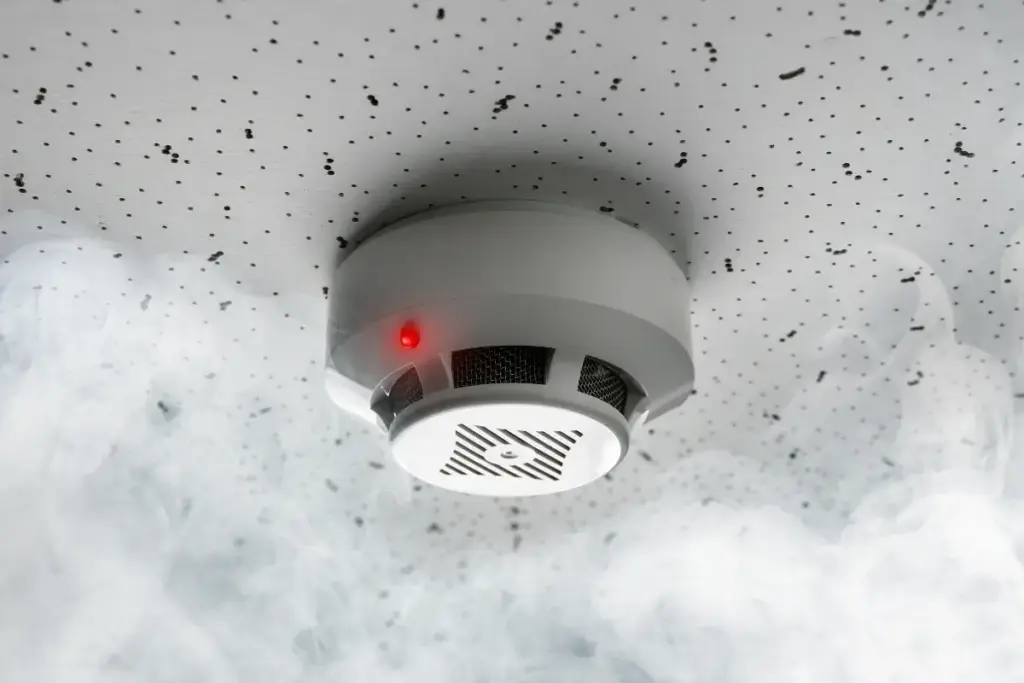
Routine checks and tidy storage reduce many fire risks, but early detection remains the single most reliable safeguard once a fire starts. Guidance recommends fitting mains-powered smoke alarms with battery backup on every floor, plus heat alarms in kitchens where false activations can be frequent. Placement should include hallways outside bedrooms and living areas, mounted on ceilings or high on walls away from corners and ventilation.
Testing frequency and maintenance are straightforward:
- Press the alarm test button monthly; replace batteries annually or when chirping begins.
- Clean units every six months with a soft brush or vacuum to remove dust that can impair sensors.
- Replace all smoke alarms every ten years or per manufacturer guidance.
Careful records of tests and replacements help maintain continued reliability. Professional installation is advised for interconnected mains systems and for compliance with building regulations in rented or multi-occupancy properties.
Escape Routes and Emergency Planning: Clear Exits and Simple Drills
Clear, accessible escape routes and a practiced emergency plan are essential to guarantee everyone can leave quickly and safely during a fire. The layout of exits should be identified for all occupants: primary and alternative routes, with doors and corridors kept free of obstructions and locks that might delay egress. Windows that serve as exits must be operable and reachable; consider escape ladders for higher floors. Emergency lighting and clear signage assist visibility if smoke or power loss occurs.
A simple, written plan assigns responsibilities who checks rooms, who calls emergency services, and where everyone meets outside at a predetermined assembly point a safe distance from the building. Regular, timed drills familiarise residents with routes and procedures, reveal bottlenecks, and build confidence. Plans must account for children, elderly or mobility-impaired occupants, and pets, with rehearsed assistance methods. Review and update the plan after any change in household composition, furnishings, or building layout.
Kitchen Fire Safety: Safe Cooking, Appliances and Extinguishers
Keep cooking areas uncluttered and attended, as most home fires start in the kitchen and escalate quickly when grease, heat, or unattended appliances are left unchecked. The section focuses on practical steps: safe cooking habits, correct appliance use, and suitable fire extinguishers. Attention to simple routines reduces incidents never leave pans unattended, manage hot oil carefully, and keep flammable items away from hob and oven.
- Maintain: clean cooker hobs, extractor fans and oven seals to prevent grease build-up that fuels fires.
- Use: follow manufacturer instructions for kettles, microwaves and small appliances; unplug when not in use and replace damaged leads.
- Equip: store a Class F fire extinguisher or a suitable fire blanket nearby for oil fires, and make sure household members know when and how to use them.
Regularly review these measures; clear guidance and appropriate equipment greatly lower kitchen fire risk without complex interventions.
Heating, Electricals & Wiring: Spotting Fire Risks and Inspections
Many home fires originate from heating systems, faulty wiring, or overloaded electrical circuits, so identifying and mitigating these hazards is essential. Regular visual inspections for frayed cables, scorch marks around sockets, and loose plugs reduce risk; any sign of damage should prompt professional assessment. Gas and oil heating appliances require annual servicing by a registered engineer to verify that burners, flues, and controls operate safely. Portable heaters must have clearances and be used with intact cords on stable surfaces; paraffin and unvented gas heaters are best avoided indoors.
Overloaded extension leads and multiple adapters create heat build-up; distribute loads across fused circuits and use surge-protected, certified equipment. Smoke and carbon monoxide alarms should be tested monthly and interlinked where possible. Landlords and responsible persons must keep records of electrical condition reports (EICRs) and servicing dates, arranging remedial work promptly. A proactive inspection routine, combined with timely repairs by qualified electricians, substantially lowers ignition likelihood and improves occupant safety.
Safe Storage, Waste and Hot-Work Controls for Fire Prevention
Following regular checks of heating and electrical systems, attention should shift to how materials, waste, and hot-work activities are managed, since improper storage and uncontrolled work with heat sources are common ignition points. Storage areas must be organised to separate flammables from ignition sources, with clear labelling, secure containers and adequate ventilation. Waste management requires timely removal, designated bins for combustible refuse, and avoidance of accumulation near exits or equipment. Hot-work welding, cutting or using blowtorches demands permits, trained operators and fire watches until cooled. Controls should be proportionate and documented.
- Conduct regular inspections of storage and waste areas, remove accumulations and keep aisles clear.
- Store flammable liquids in approved cabinets, limit quantities and use grounding/bonding where needed.
- Implement a hot-work permit system: risk assessment, isolation of combustibles, certified extinguishers and a post-operation check.
These measures reduce ignition risks and support safer, compliant properties without addressing legal duty specifics reserved for another section.
Fire-Safety Duties: Landlords, Tenants & Businesses (UK)
Although legal responsibilities vary by property type and occupancy, landlords, tenants and businesses in the UK each carry distinct fire-safety duties designed to prevent fires and protect occupants. Landlords must guarantee properties meet statutory standards: maintain smoke and heat alarms, provide safe electrical and gas installations, keep escape routes clear, and supply information on fire precautions. They should conduct regular inspections and act on hazards promptly.
Tenants are responsible for using facilities safely, not obstructing exits, reporting defects, and following any provided fire-safety instructions. Smoking, misuse of appliances or unsafe storage of flammable materials can create liability.
Businesses must perform and record fire risk assessments, implement appropriate fire detection, alarm and extinguishing measures, train staff in evacuation procedures, and maintain fire doors and emergency lighting. Larger or higher-risk premises require appointed competent persons to manage fire safety. Coordination between owners, occupiers and managers is essential to guarantee legal compliance and reduce risk across residential and commercial settings.
When to Call a Professional or Your Local Fire Service
Clear guidance is needed on when professional help or the local fire service should be contacted, because responsibilities for maintaining fire safety whether held by landlords, tenants or businesses, cannot substitute for expert action in a developing incident or when specialised remediation is required. The decision to call should be based on risk, legal duty and the nature of the problem rather than convenience. Immediate hazards, persistent or complex faults, and unclear safety status each demand escalation to trained responders or competent contractors.
- Call 999 (or the local fire service) immediately for any active fire, visible smoke, trapped people, or rapidly spreading hazards.
- Engage a qualified fire safety contractor for structural damage, suspected electrical fires, repeated false alarms, or fire-damaged systems needing inspection and certified repair.
- Contact the local fire service or a fire safety advisor for uncertainty about compliance, evacuation procedures, or adequacy of alarms and escape routes; seek formal guidance or an audit.
Fire Prevention Checklist: Decisions should prioritise safety, legal obligations and documented professional assessment.
Frequently Asked Questions
Can Landlords Legally Refuse Tenants’ Own Smoke Alarms or Detectors?
Yes. Landlords can require specific compliant alarms and legally refuse noncompliant tenant-fitted devices; they must guarantee all alarms meet UK regulations and remain responsible for installation, maintenance, and record-keeping to satisfy safety standards and inspections.
Are Portable Electric Heaters Covered by Standard Home Insurance?
Often yes, but coverage varies: standard home insurance may cover portable electric heaters if used correctly and not excluded for misuse, faulty appliances, or high-risk heating. Policy terms, manufacturer safety, and declared use determine liability and payout.
How Should Fire Safety Be Managed in Shared Communal Corridors?
Fire safety in shared communal corridors should be managed by enforcing clear no-obstruction policies, providing adequate lighting and signage, maintaining fire doors and escape routes, conducting regular inspections, and ensuring residents receive guidance and emergency procedure information.
Can Battery-Free Ionisation Alarms Be Used Near Kitchens?
Yes. They can be installed near kitchens, though the person should position them away from cooking fumes and steam to reduce false alarms, following manufacturer guidance and applicable UK fire safety standards for ideal performance and reliability.
What Documentation Must Businesses Keep After a Fire-Risk Assessment?
They must keep the written fire-risk assessment, evidence of significant findings, records of actions taken, emergency plans, training and maintenance logs, inspection certificates, and any correspondence with enforcing authorities for at least five years or as legally required.
Conclusion
In conclusion, adhering to a concise fire-prevention checklist helps protect UK properties and occupants. Regular daily and weekly checks, correctly sited and tested smoke detectors, clear escape routes, safe kitchen practices, careful heating and electrical maintenance, and secure storage all reduce risk. Landlords, tenants, and businesses must understand their duties, and hot-work controls should be observed. When hazards exceed in-house capability, prompt engagement with professionals or the local fire service guarantees safety and compliance.