Fire Safety Risk Assessment

When Is a Microwave Unsafe to Use? Signs You Should Replace It
A microwave is unsafe when it shows electrical or structural failures that risk shock, fire, or leakage. Visible door damage,


A microwave is unsafe when it shows electrical or structural failures that risk shock, fire, or leakage. Visible door damage,
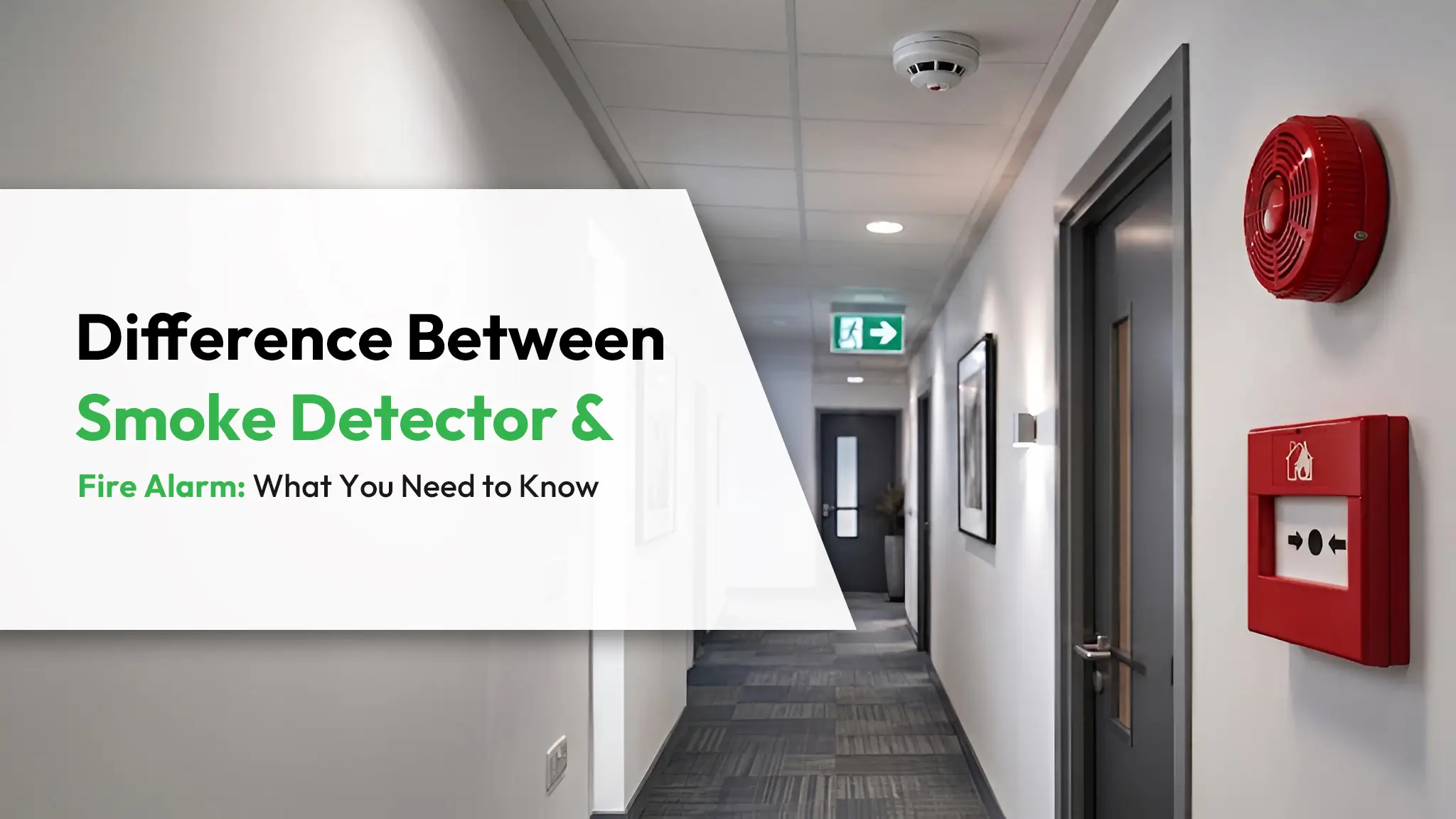
A smoke detector is a standalone sensor that senses smoke or changes in air quality and sounds a local alert;
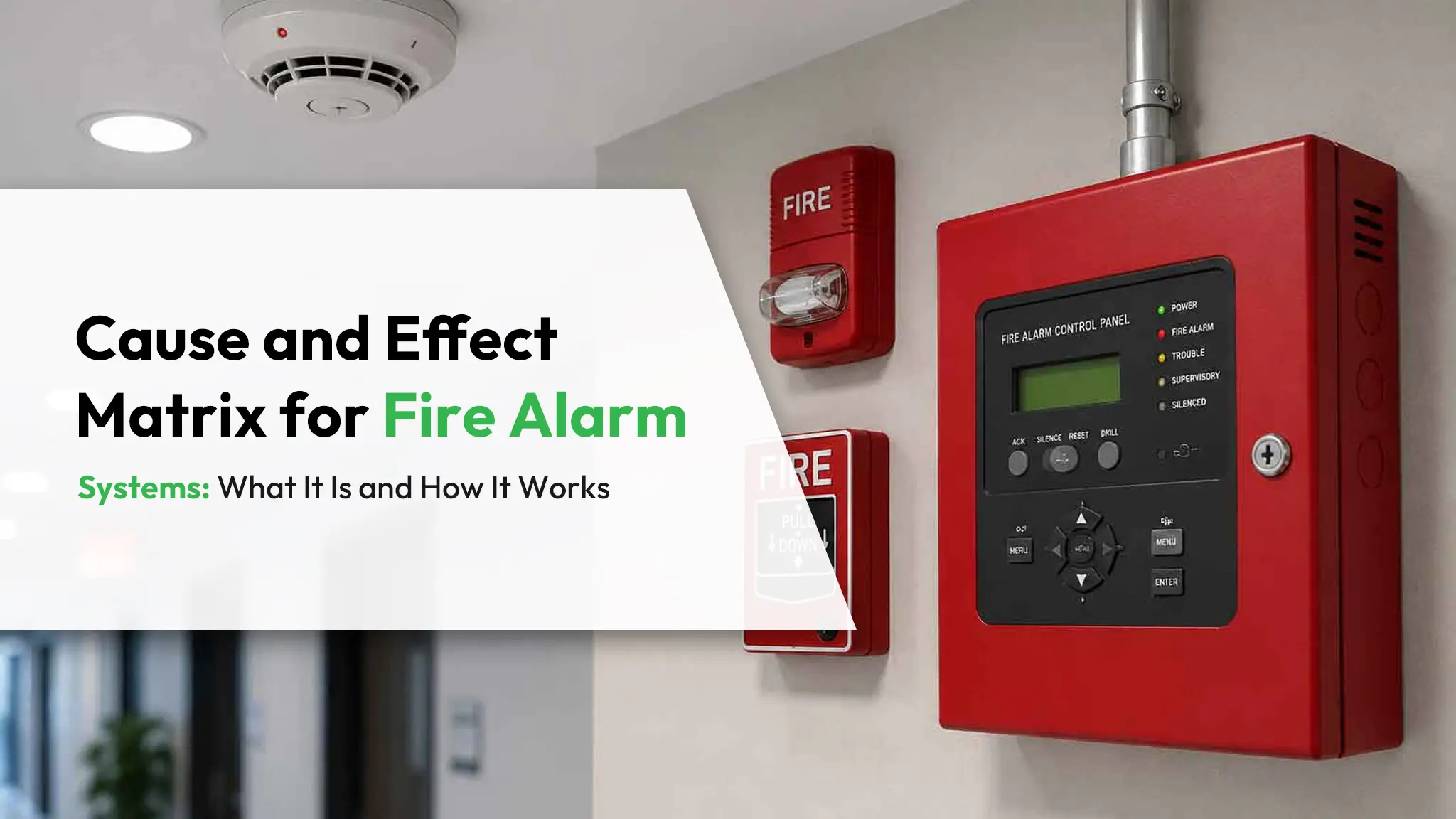
A cause-and-effect matrix for fire alarm systems is a concise, rule-based chart linking detector and manual inputs to required alarms,
The Level 3 Certificate in Fire Risk Assessment trains candidates to identify hazards, assess risks and recommend mitigation for commercial
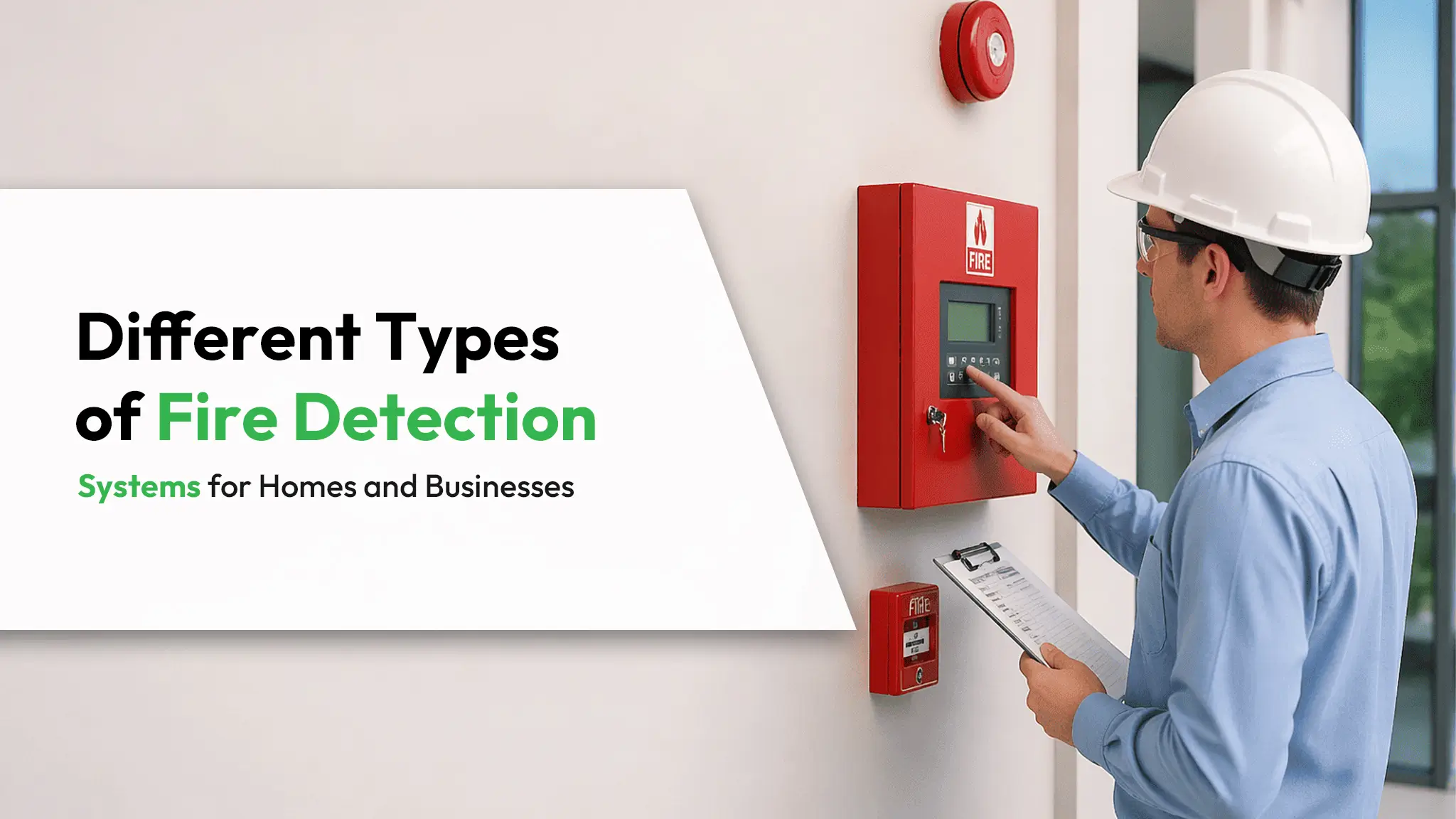
Fire detection systems range from basic smoke alarms to extensive monitored networks. Homes typically use ionisation or photoelectric smoke detectors,
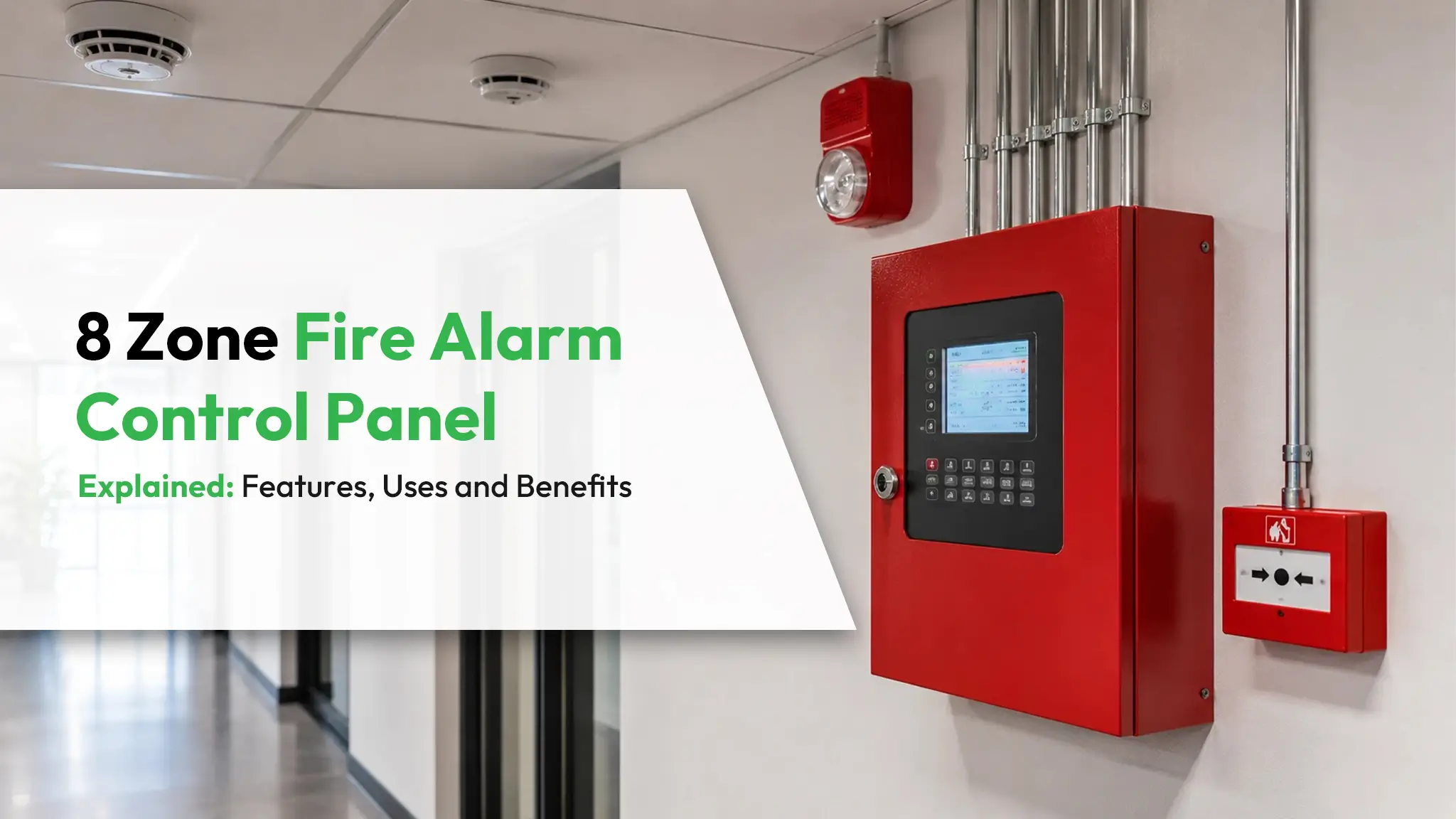
The 8-zone fire alarm control panel is a conventional system that divides a building into separate monitored zones. It links
In the UK, a fire risk assessment is legally required for almost all non‑domestic premises and multi‑occupied residential buildings. The Regulatory
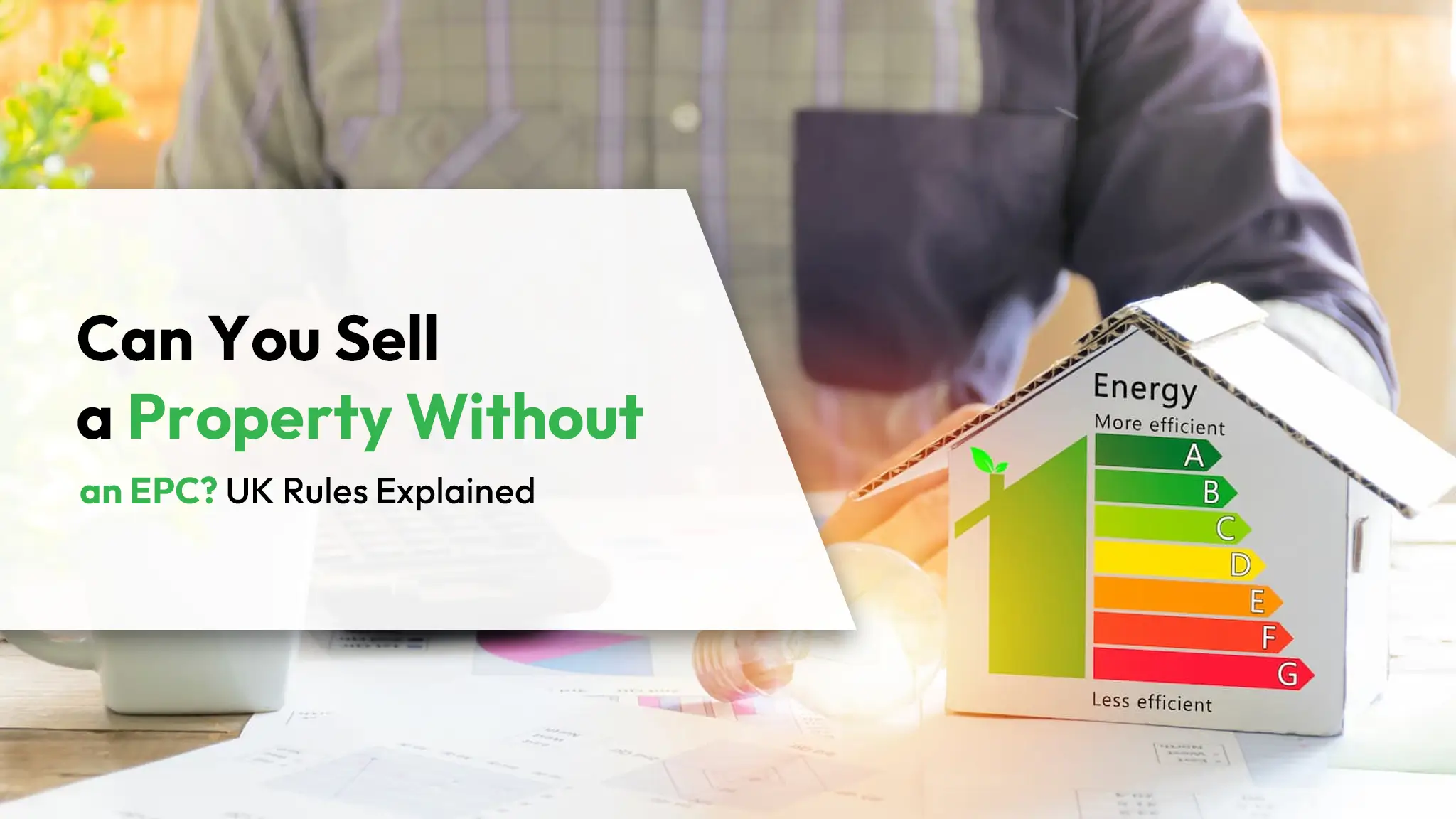
In the UK, most properties cannot be marketed for sale or rent without a valid Energy Performance Certificate (EPC). Sellers
What Is a Fire Door? A fire door is a tested door assembly: leaf, frame, seals, hardware, and glazing designed
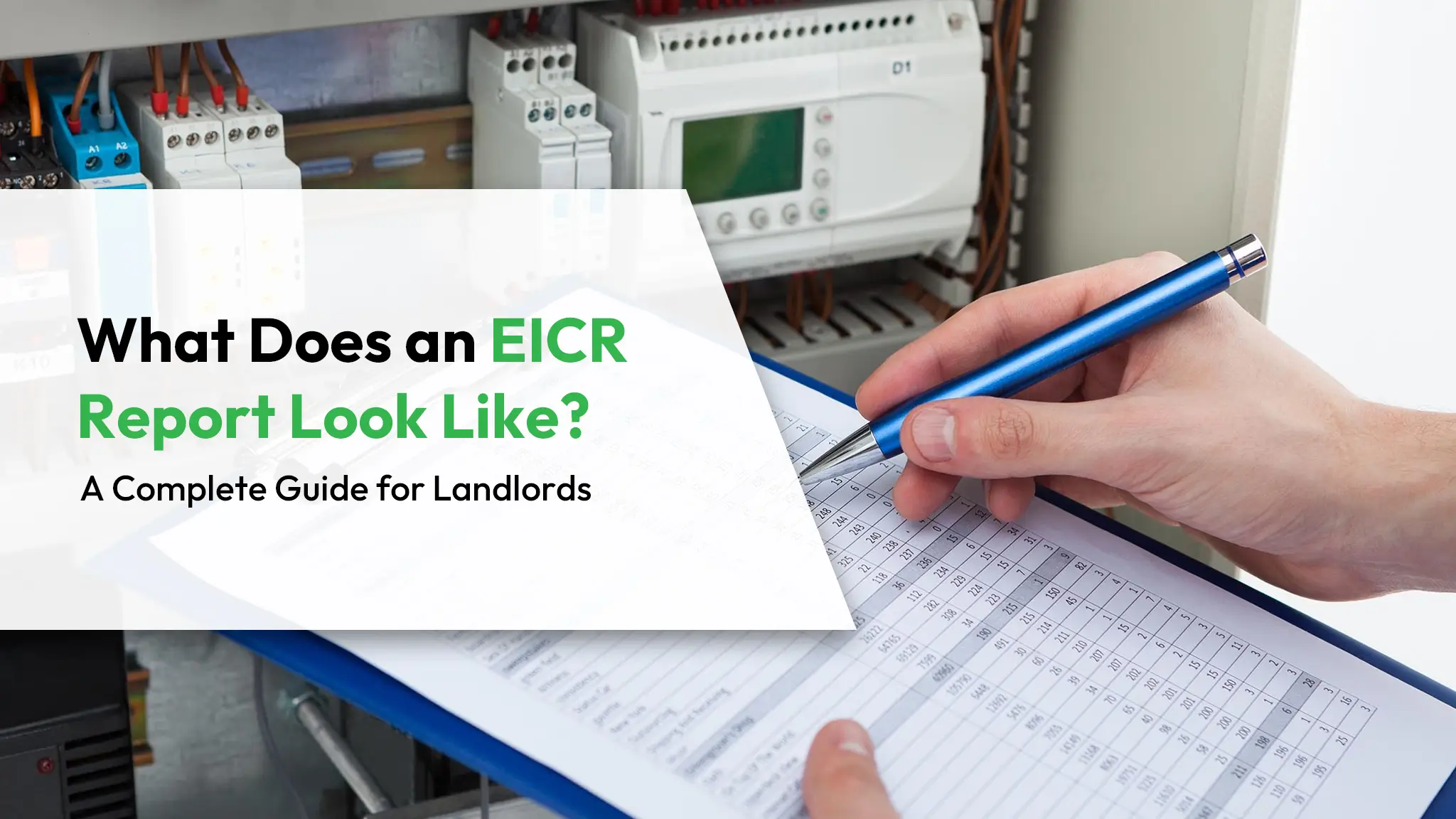
An EICR is a structured, certified document detailing a property’s fixed electrical installation, the inspector’s credentials, and the inspection date,
EICR Fault Codes: An EICR uses four fault codes to prioritise electrical safety: C1 denotes immediate danger requiring urgent isolation
Is an EICR Required for Businesses? An Electrical Installation Condition Report (EICR) is not universally legally required for all businesses,