



In London, landlords and property owners are required to obtain an Electrical Certificate of Compliance in line with BS 7671 wiring standards to confirm that all electrical installations are safe and meet current regulations. This applies not only to rental properties but also to property sales, where proof of compliance is essential for both buyers and legal documentation. Depending on the property’s condition, owners may need an Electrical Installation Certificate (EIC), which is issued after new electrical work or a full installation, or an Electrical Installation Condition Report (EICR), which assesses the safety of existing systems. Both certificates demonstrate that the property’s electrical systems meet the necessary safety standards and help to prevent faults and hazards. A qualified electrician must carry out inspections at least every five years or whenever a tenancy or ownership changes. Keeping clear records of inspections and any remedial electrical works is important for compliance, maintaining safety, and building trust with occupants and buyers.
Key Takeaways
- Landlords must obtain a Landlord Electrical Compliance Certificate to ensure safety and legal compliance.
- Qualified electricians must conduct inspections every five years, issuing an Electrical Installation Condition Report (EICR).
- Immediate rectification of faults found during inspections is essential to comply with BS 7671 standards.
- Keep thorough records of all electrical inspections, repairs, and compliance certificates for legal proof.
- Stay updated on regulatory changes, especially the upcoming 2025 requirement for full EICR updates every five years.
Electrical Certificate of Compliance for Landlords in London
Landlords in London must understand their key legal responsibilities regarding electrical safety to guarantee compliance with local housing regulations.
By obtaining an Electrical Certificate of Compliance, property owners not only comply with the law but also significantly improve tenant safety and well-being.
This certification serves as an essential tool in providing both landlords and tenants with peace of mind, affirming that the electrical installations in the property are secure and up to standard.
Key Legal Responsibilities for Property Owners
In London, property owners are legally obligated to guarantee that all electrical installations in their properties are safe and meet specific standards, as outlined by the Electrical Certificate of Compliance. This responsibility encompasses ensuring that any electrical systems installed, maintained, or altered adhere strictly to the UK national standard, BS 7671.
Property owners must arrange periodic inspections by qualified electricians, who assess these installations for safety and operational integrity. The law mandates that these checks be conducted at least every five years or at the change of tenancy, whichever comes first.
Failure to comply with these requirements can lead to significant legal consequences, including fines, invalidated property insurance, and potentially severe penalties under the Housing Act 2004, particularly if tenant safety is compromised.
Moreover, landlords must keep records of all electrical inspections and remedial work carried out. These documents serve as proof of compliance and must be provided to tenants and local authorities upon request.
This proactive documentation is vital not only for legal protection but also for maintaining the trust and confidence of current and prospective tenants. Understanding and adhering to these responsibilities is essential for any landlord operating within this jurisdiction.
How Compliance Ensures Tenant Safety and Peace of Mind
Ensuring compliance with the Electrical Certificate of Compliance not only meets legal obligations but also greatly enhances tenant safety and peace of mind. This certification, mandated by law in London, asserts that all electrical installations in the property adhere to the current safety standards. By obtaining this certificate, landlords demonstrate a commitment to maintaining a secure living environment, essential for building trust with their tenants.
The process involves a thorough new installation or inspection and testing of all existing electrical systems and appliances by a qualified electrician. This proactive approach helps in identifying electrical hazards before they can pose a risk to tenants. Issues such as faulty wiring, overloaded circuits, and improper grounding can be rectified promptly, preventing accidents like electric shocks or fires.
How to Get an Electrical Certificate of Compliance in London
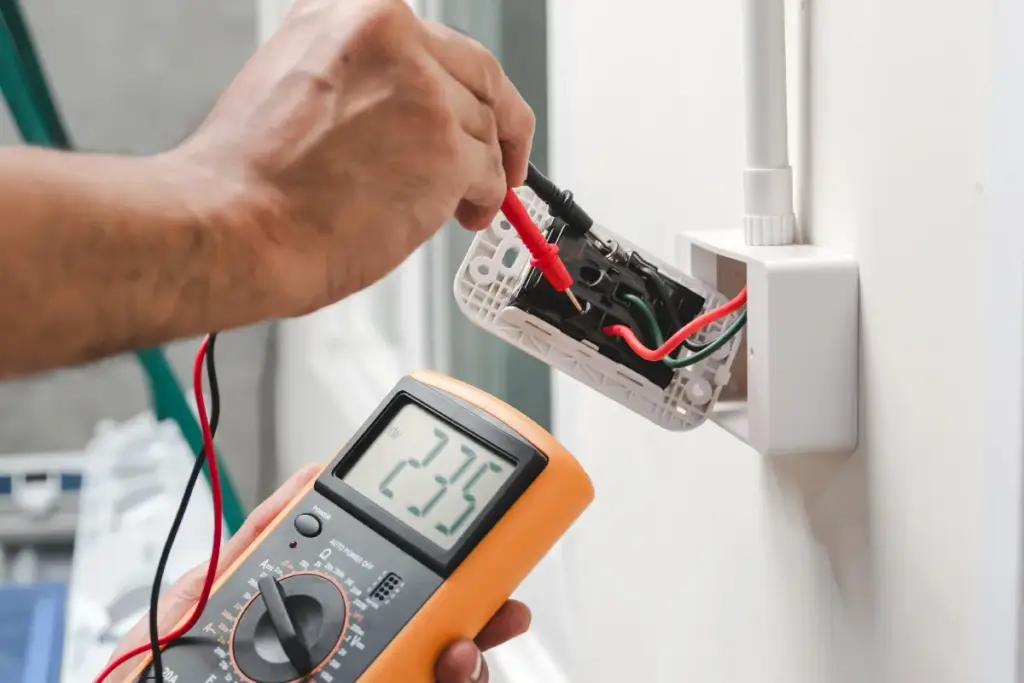
Obtaining an Electrical Certificate of Compliance in London requires property owners to confirm that all electrical installations meet specific safety standards outlined by regulatory bodies. This step is vital for guaranteeing the safety of tenants and the legal compliance of the property.
Landlords must navigate a series of steps to secure this certification, which plays a pivotal role in property management and tenant safety.
To streamline the process, here are practical steps a landlord should follow:
- Identify a Qualified Electrician: Only a certified electrician registered with a competent person scheme can issue a valid certificate. It’s essential to choose someone with experience in residential properties.
- Schedule an Inspection: Coordinate with the electrician to inspect all electrical systems and installations in the property. This includes wiring, sockets, fuse boxes, and appliances provided by the landlord.
- Address Necessary Repairs: Following the inspection, any faults found need to be rectified. Failure to do so can prevent the issuance of the certificate.
- Arrange New Installations: Arranging new installations if needed.
- Documentation Review: Confirm that all the work done follows British Standard BS 7671, which governs the safety of electrical installations.
- Obtain the Certificate: Once your electrician is satisfied that the installations are safe and compliant, they will issue the Electrical Certificate of Compliance.
Landlords must keep in mind that this certificate is not permanent and needs renewal periodically.
Staying proactive about electrical safety not only protects the property but also maintains a trusting relationship with tenants, adhering to both safety and legal standards.
Electrical Installation Certificate for Rental Properties in London
In London, landlords must guarantee that rental properties meet specific electrical safety standards, necessitating an Electrical Installation Certificate.
This certificate is essential not only for compliance with local housing regulations but also for guaranteeing tenant safety and legal protection for the property owner.
Understanding when such a Electrical Certificate of Compliance is required and its role in property management can considerably aid landlords in maintaining their properties to the required standards.
When is an Installation Certificate Required?
Most rental properties in London require an Electrical Installation Certificate before tenants can move in, guaranteeing compliance with local safety regulations.
This document serves as proof that the electrical systems meet the necessary safety standards, providing peace of mind to both landlords and tenants.
Here are key scenarios where obtaining an Electrical Installation Certificate is mandatory:
- New Property Rentals: For any newly constructed properties or properties being rented out for the first time.
- Post-Major Electrical Work: After substantial modifications or additions to the property’s electrical system.
- Change in Tenancy: Required when a new tenant moves in, confirming that the electrical systems are safe and up to date.
- Periodic Checks: Typically every five years, or upon the recommendation of a certified electrician, to verify ongoing compliance with safety standards.
- Regulatory Changes: When updates in local regulations dictate new compliance standards, re-certification may be required.
Landlords must stay informed about these requirements to not only guarantee the safety of their tenants but also to avoid legal consequences related to non-compliance.
The Role of Installation Certificates in Property Compliance
Guaranteeing compliance with local safety and regulatory requirements, Electrical Installation Certificates are indispensable for landlords in London’s rental market. These documents serve as a formal declaration that the electrical systems and installations within the property meet the requisite safety standards set by UK law. Without such certification, landlords risk not only the safety of their tenants but also face potential legal repercussions, including heavy fines and invalidated property insurance.
The role of these certificates extends beyond simple compliance. They are pivotal in maintaining the integrity of a rental property, guaranteeing that all electrical installations are up to date and functioning efficiently. This proactive approach not only safeguards tenants but also preserves the property’s value and reduces the likelihood of costly emergency repairs.
| Requirement | Description | Importance |
| Validity | Must be renewed every 5 years | Guarantees ongoing compliance and safety |
| Scope | Covers all fixed electrical parts | Prevents electrical hazards |
| Inspection | Conducted by a certified electrician | Confirms professional assessment |
| Reporting | Must include detailed inspection results | Provides a thorough safety overview |
Landlords must ensure that these certificates are kept current and that any repair or upgrade recommendations are promptly addressed to maintain safety standards and regulatory compliance.
Electrical Certificates of Compliance for Property Sale: Why EIC and EICR Matter in the UK
When selling a property, having valid electrical certificates such as the Electrical Installation Certificate (EIC) and the Electrical Installation Condition Report (EICR) can make a significant difference in both the speed and success of the sale. These documents demonstrate that the electrical installations in the property are safe, compliant with BS 7671 Wiring Regulations, and maintained to a professional standard.
An EIC confirms that any new electrical work or major alterations have been completed safely and meet current regulations. An EICR provides an overall assessment of the property’s existing electrical condition, identifying any defects or safety concerns. Estate agents and solicitors often request these certificates during conveyancing, as they give confidence to buyers and help prevent delays in the transaction.
For sellers in London and across the UK, presenting up-to-date EIC and EICR documentation not only supports compliance but also enhances transparency and trust. It signals that the property has been responsibly maintained, which can help justify the asking price and avoid last-minute complications before completion.
Electrical Safety Compliance for HMO Landlords in London
Landlords managing Houses in Multiple Occupation (HMOs) in London face additional obligations to guarantee electrical safety.
These responsibilities are critical as they prepare for the upcoming 2025 Electrical Safety Standards, which impose stricter compliance requirements.
HMO landlords need to understand and implement these regulations to enhance safety and avoid legal repercussions.
Extra Responsibilities for Multi-Occupancy Properties
For landlords of Houses in Multiple Occupation (HMOs) in London, the electrical safety standards demand heightened vigilance and adherence to specific regulations.
Managing these properties involves not only understanding these standards but also implementing measures to guarantee tenant safety and compliance with local laws.
To vividly illustrate the responsibilities, consider the following:
- Regular Inspections: Every fixed electrical installation must be inspected and tested at intervals not exceeding five years by a qualified electrician.
- New Installations: For wiring, circuits, or systems.
- Maintenance Records: Detailed records of all electrical inspections and repairs should be maintained and available for review by authorities or tenants upon request.
- Safety Alarms: Installation and regular testing of adequate fire safety and carbon monoxide detection systems in all appropriate areas.
- Emergency Lighting: Proper installation and maintenance of emergency lighting in common areas and escape routes to guarantee visibility in case of power failure.
- Access Control: Guaranteeing that all electrical control panels are accessible yet securely locked away from unauthorised access to prevent tampering.
Adhering to these points not only guarantees compliance with the law but also greatly enhances the safety of tenants, making the property more appealing to potential renters.
Meeting 2025 Electrical Safety Requirements
As the landscape of electrical safety in London continues to evolve, the Responsibilities of London Landlords Under the 2025 Regulations are Becoming Increasingly Important. The 2025 Electrical Safety Requirements set forth new standards that aim to enhance tenant safety and reduce risks associated with electrical systems in Houses in Multiple Occupation (HMOs).
From 2025, all HMOs in London will need to have a fully updated Electrical Installation Condition Report (EICR) every five years, conducted by a qualified electrician. This report must document that all electrical installations in the property are safe and meet the latest standards of the wiring regulations, known as BS 7671.
Furthermore, landlords will be required to guarantee that any findings from the Electrical Certificate of Compliance calling for urgent action are addressed within 28 days, or sooner if specified in the report. Compliance must be demonstrated through written confirmation from the electrician that the remedial work has been executed according to the standards.
Landlords must keep a record of this, along with the EICR, to show compliance. These measures, while stringent, are designed to greatly reduce the risk of electrical fires and enhance overall safety in HMO properties, thereby safeguarding both the tenants and the investment of the landlords.
Who Can Issue an Electrical Certificate of Compliance in the UK
In the United Kingdom, only qualified electricians registered with an authorised government-approved scheme can issue an Electrical Certificate of Compliance. This certification is vital as it confirms that the electrical installations in a property meet the required safety standards.
Landlords, in particular, must guarantee that the electricians they hire are not only competent but also duly accredited to carry out these inspections and issue the necessary documentation.
These electricians must be part of a scheme that provides assessment and certification services under the oversight of the UK government. It is a legal requirement that only these registered professionals can undertake the thorough assessment necessary to issue an Electrical Certificate of Compliance.
This guarantees a uniform standard of electrical safety across all properties, safeguarding both the physical property and its occupants.
To visualise who can issue these certificates, consider the following:
- Accredited Professionals: Only electricians who are regularly assessed and certified by government-approved bodies. Learn more: How to choose a qualified electrician.
- Certified Competence: Electricians must demonstrate ongoing adherence to the latest IET Wiring Regulations and building codes.
- Regular Assessments: These professionals undergo periodic reviews to confirm that their skills and knowledge remain up-to-date.
- Authorised Bodies: Examples include NICEIC, ELECSA, or NAPIT, which monitor and certify practitioners.
- Safety Champions: These electricians play a vital role in maintaining high safety standards in residential and commercial buildings.
Understanding who can issue an Electrical Certificate of Compliance is essential for compliance with UK safety regulations, providing peace of mind to landlords and tenants alike.
Difference Between EIC and EICR Certificates Explained
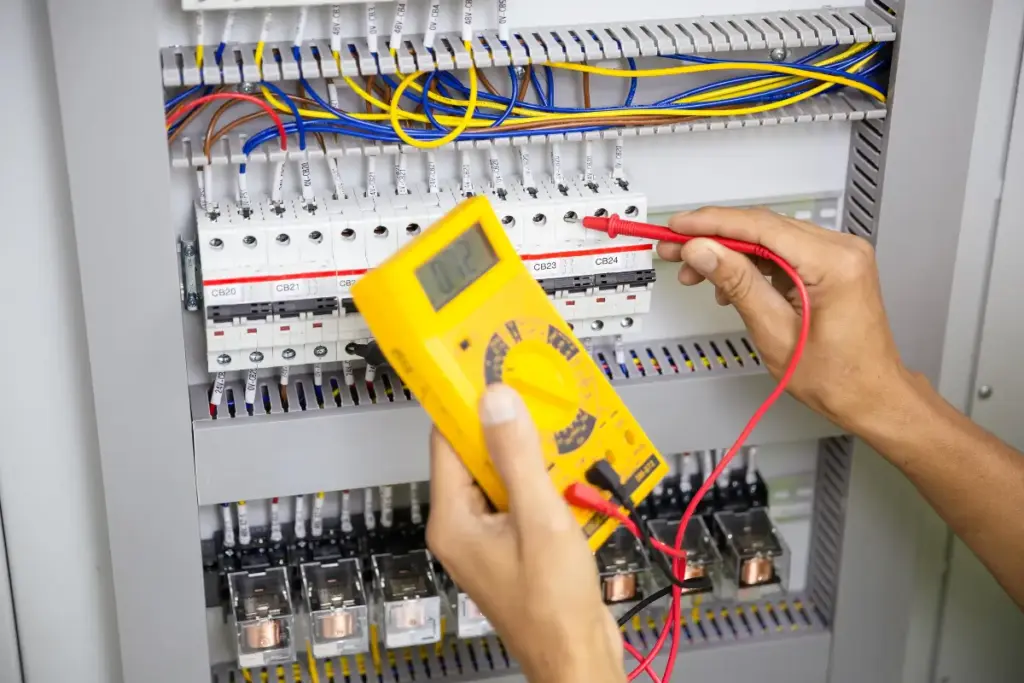
Understanding the distinction between an Electrical Installation Certificate (EIC) and an Electrical Installation Condition Report (EICR) is essential for compliance and safety in London’s electrical environments.
While the EIC is used to certify that new electrical installations meet the required standards, the EICR assesses the safety of existing electrical systems and is typically needed at regular intervals.
This comparison highlights the different purposes and uses of each document, guiding property owners on when and why each is necessary.
How an EIC Differs from an Electrical Installation Condition Report (EICR)
Clarity often defines the distinction between the Electrical Installation Certificate (EIC) and the Electrical Installation Condition Report (EICR), both essential in their respective contexts but serving different purposes.
The EIC is generally issued after new electrical installations or major alterations, guaranteeing that the work complies with national safety standards. Conversely, the EICR is an inspection report that assesses the safety of existing electrical installations, identifying any deficiencies or hazards that need rectification.
This process is particularly helpful when a question like “How to Fix and Avoid Common Electric Hazards“ comes to mind.
Here are the key differences to visualise:
- Purpose: EIC confirms installation safety post-installation; EICR evaluates the safety of existing systems.
- Issuance: EIC is provided by the electrician completing the work; EICR is compiled by an inspector evaluating the installation.
- Frequency: An EIC is a one-time document; EICR is required at regular intervals (e.g., every 5 years for rental properties).
- Scope: EIC covers new or altered parts of the installation; EICR assesses the entire electrical system.
- Legal Requirement: EIC is mandatory for confirming compliance with building regulations; EICR is legally required for landlords to guarantee tenant safety.
Understanding these distinctions helps landlords manage their properties efficiently, guaranteeing both compliance and safety.
Landlord Electrical Compliance Certificate UK Requirements
In the UK, landlords are required to guarantee that their properties meet specific safety standards as outlined in the UK Wiring Regulations, known as BS 7671.
This includes obtaining a Landlord Electrical Compliance Certificate, which verifies that the electrical installations in the property are safe and up to code.
Failure to comply with these regulations can lead to significant legal consequences and jeopardise the safety of tenants.
Compliance with UK Wiring Regulations (BS 7671)
Most landlords in the UK must guarantee that their rental properties comply with the UK Wiring Regulations, formally known as BS 7671. Understanding and adhering to these standards is vital for securing the safety and legality of electrical installations within residential lettings.
Compliance not only helps prevent electrical accidents but is also a legal requirement under UK law.
Securing adherence involves several key aspects:
- Regular Inspections: Properties must be inspected and tested by a qualified electrician at intervals recommended by BS 7671 or more frequently if advised.
- Certification: After each inspection, an Electrical Installation Condition Report (EICR) must be issued. This document certifies that the electrical installations meet the required safety standards.
- Addressing Faults: Any electrical deficiencies identified during inspections must be rectified promptly to comply with the BS 7671 regulations.
- Record Keeping: Maintaining records of all electrical inspections, tests, and corrective actions is vital for demonstrating compliance in case of legal scrutiny.
- Updates to Standards: The BS 7671 regulations are periodically updated to reflect new technologies and safety practices.
Landlords must stay informed and ensure their properties comply with the latest edition of relevant regulations.
Frequently Asked Questions
Can Tenants Request a Copy of the Electrical Compliance Certificate?
Tenants can request a copy of the electrical compliance certificate from their landlord to guarantee the property meets safety standards. Landlords are typically required to provide this documentation to maintain transparency and compliance.
What Happens if My Property Fails the Electrical Compliance Inspection?
Suppose a property fails the electrical compliance inspection. In that case, the landlord must rectify identified issues within a specified timeframe to comply with safety regulations and avoid legal penalties, ensuring the property is safe for occupancy.
Are There Penalties for Not Having an Electrical Certificate?
Yes, failing to have a valid electrical certificate can result in significant penalties, including fines. Property owners must ensure compliance to avoid legal and financial repercussions.
How Often Should Electrical Compliance Certificates Be Renewed?
Electrical compliance certificates should be renewed every five years to guarantee ongoing safety and compliance with regulatory standards. Regular updates help identify potential hazards and maintain electrical systems in peak condition for safety and efficiency.
Does the Age of the Building Affect Electrical Compliance Requirements?
Yes, the age of a building can affect electrical compliance requirements, as older structures may have outdated wiring that does not meet current safety standards, necessitating more frequent inspections and potential upgrades.
Conclusion
In summary, securing an Electrical Certificate of Compliance is vital for landlords in London to guarantee the safety and legality of their rental properties. Compliance not only mitigates legal risks but also safeguards tenants. Landlords must adhere to strict guidelines, opting for either EIC or EICR certifications, as dictated by property type and usage. Engaging a qualified professional to issue these certificates is essential for upholding standards and maintaining property integrity within the regulatory framework.