



An asbestos survey is required for UK properties built before 2000 when planning any refurbishment, demolition, or purchase to guarantee compliance with the Control of Asbestos Regulations 2012. Property owners, landlords, and managers must arrange these surveys to assess and manage asbestos-containing materials (ACMs) safely. Surveys vary by type: management, refurbishment, and demolition, and are tailored to the building’s use and proposed works. They are essential not only for legal compliance but also for preventing potential health risks. Understanding “when is an asbestos survey needed” properly equips property owners with the knowledge to manage their premises effectively and safely.
Key Takeaways
- Asbestos surveys are mandatory for properties built before 2000, especially before buying, renovating, or demolishing.
- Conduct periodic surveys to monitor asbestos conditions and ensure compliance with health regulations.
- Engage a licensed surveyor for accurate asbestos identification and risk assessment.
- A survey is necessary after any accidental damage to materials in older buildings.
- Review and update asbestos management plans annually or after any structural changes.
What is an Asbestos Survey and Why is It Important
An asbestos survey is a detailed examination conducted in buildings to locate and assess the presence and condition of materials containing asbestos. These surveys are essential for managing asbestos on a property and ensuring the safety of occupants, as it can pose serious health risks when disturbed. The materials that may contain asbestos are assessed for their condition and potential to release fibres into the air if disturbed.
There are primarily two types of asbestos surveys: Management Surveys and Refurbishment and Demolition Surveys. The Management Survey is the standard survey often carried out to locate the presence of asbestos in a building, which could be disturbed or damaged during normal occupancy, including foreseeable maintenance and installation. It aims to ensure that no one is harmed by the presence of these materials on the premises and that the asbestos remains in good condition.
A Refurbishment and Demolition Survey is required before any refurbishment or demolition work is undertaken. This survey is more intrusive and involves extensive inspection and sampling to locate and identify all asbestos-containing materials before any structural work begins. This type of survey is necessary where the premises, or part of it, need upgrading, refurbishment, or demolition.
Understanding the type of survey needed and conducting it correctly is essential for managing asbestos risks, complying with legal requirements, and ensuring the necessary measures are in place to control asbestos-related risks.
When is an Asbestos Survey Needed in the UK?
Understanding the types of asbestos surveys available is the first step; recognising when is an asbestos survey needed is equally important for property owners in the UK. Asbestos surveys are essential in various scenarios, primarily revolving around the age, use, and renovation plans for properties.
Primarily, an asbestos survey is necessary before purchasing any property built before the year 2000. This period marks the last year asbestos use was legal in the UK; hence, buildings erected before this could potentially contain asbestos. For property owners, conducting an asbestos survey before acquisition can prevent future legal and health issues.
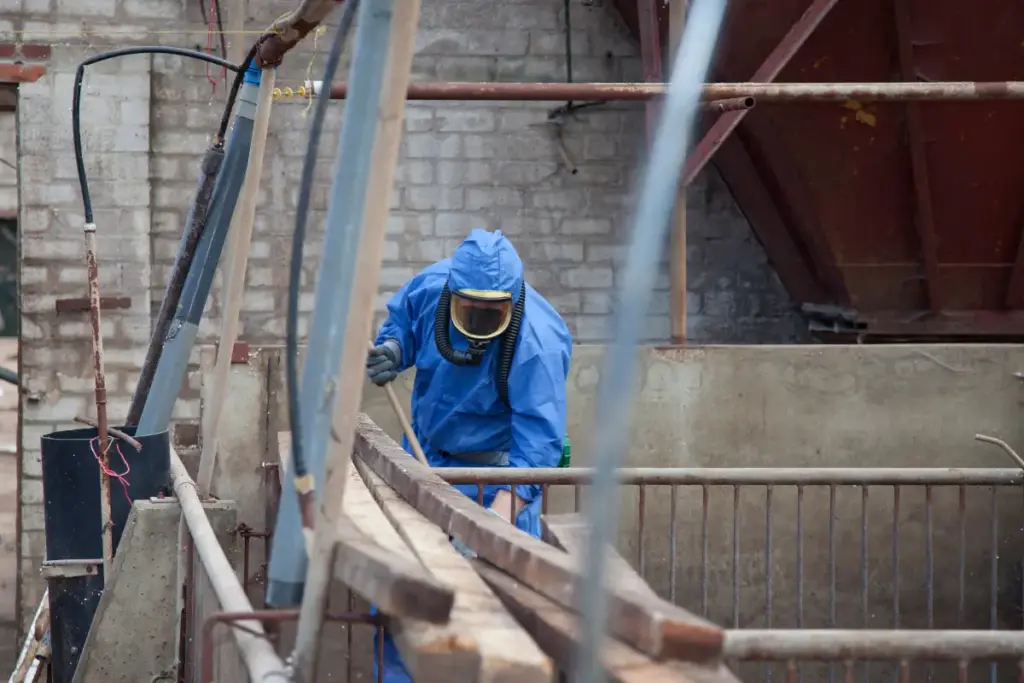
Furthermore, an asbestos survey is vital before starting any renovation, demolition, or refurbishment work. Disturbing materials containing asbestos during construction activities can release harmful fibres into the air. An asbestos survey identifies these materials so that they can be properly managed or removed under controlled conditions.
Property management also necessitates periodic asbestos surveys as part of routine maintenance, especially in buildings known to contain asbestos. These surveys help monitor the condition of asbestos-containing materials and ensure they remain undisturbed and intact.
Lastly, compliance with health and safety regulations can require a survey if there’s suspected accidental damage to asbestos-containing materials in a building. This is to assess the risk of exposure to occupants and recommend remedial measures.
Legal Requirements for Asbestos Surveys in UK Properties
UK law mandates asbestos surveys for any property constructed before 2000 that may contain asbestos-containing materials (ACMs). The requirement is rooted in the Control of Asbestos Regulations 2012, which aim to minimise the risks associated with asbestos exposure by requiring proper management of ACMs.
These regulations apply to non-domestic premises and also extend to common areas of residential rented properties, including halls, stairwells, and lift shafts.
Under these regulations, the duty to manage asbestos is clear. Property owners must identify whether asbestos is present and, if so, determine its amount, location, and condition. Failure to conduct an asbestos survey can result in severe legal consequences, including heavy fines and imprisonment for breaches.
Additionally, surveys must be carried out by a competent person, someone with the necessary training, qualifications, and experience to manage asbestos risks effectively.
There are generally two types of asbestos surveys: the Management Survey and the Refurbishment and Demolition Survey.
The Management Survey is the standard survey intended to locate the presence of asbestos in a building, as far as reasonably practicable. This type of survey is necessary during the normal occupation and use of the building to ensure continued management and prevent potential damage or disturbance to ACMs.
The Refurbishment and Demolition Survey is needed before any building work that might disturb ACMs. This survey is more intrusive and aims to locate all ACMs before structural work begins.
Who is Responsible for Arranging an Asbestos Survey?
While the legal framework sets broad compliance requirements, the specific responsibility for arranging an asbestos survey typically falls on the property owner or the person responsible for the property’s maintenance and repair. This includes landlords, property managers, and commercial building owners. Understanding who is precisely accountable is essential, as failing to comply with asbestos regulations can lead to significant legal and health implications.
The duty to manage asbestos, as outlined under Regulation 4 of the Control of Asbestos Regulations 2012, applies to the owners and occupiers of non-domestic premises. It also extends to the common areas of residential buildings, such as hallways, staircases, and lift shafts. In practice, this means that if you are responsible for maintaining and repairing parts of a property, you are also responsible for managing any asbestos within those areas.
For homeowners, while there is no legal obligation to conduct an asbestos survey, it is highly advisable to do so if the property was built before the year 2000. This precautionary measure is particularly important during renovations or demolitions, as it ensures the safety of anyone involved in the work.
Engaging a licensed and qualified asbestos surveyor is fundamental for conducting the survey. The surveyor will assess the presence, location, and condition of asbestos-containing materials (ACMs) in the property. This assessment helps manage risks associated with asbestos and plan any necessary removal or containment actions.
Common Areas Where Asbestos is Found in Older Buildings
What is Asbestos? Asbestos is a naturally occurring mineral made up of thin, flexible fibres that are resistant to heat, electricity, and corrosion. Because of these properties, asbestos was widely used in construction and manufacturing, especially for insulation, roofing, flooring, and fireproofing, from the early 1900s through the late 1990s. Recognising these common locations can be essential for property owners to manage or eliminate the risks associated with asbestos exposure.
One typical area where asbestos might be present is in insulation materials. This includes lagging used on pipes and boilers, and loose-fill insulation found in attic spaces. Asbestos was favoured for its excellent thermal resistance, making these areas particularly susceptible.
In addition, asbestos-containing materials (ACMs) were often used in ceiling tiles for their sound-absorption and fire-resistance properties.
Another common source of asbestos is in floor tiles and the adhesive used to install them. Vinyl floor tiles may especially contain asbestos, as do the backings of linoleum floor coverings.
The walls and panels might also contain asbestos, especially in textured coatings or plaster compounds applied for surface durability and fire resistance.
Roofing materials are also a typical concern. Asbestos cement was widely used in roof sheets and tiles. The material’s durability and weather resistance made it a popular choice for external use on buildings.
Moreover, window caulking and putties may contain asbestos, applied for their sealing and insulating properties.
Understanding these common locations helps in evaluating the potential presence of asbestos in a building. Awareness is the first step in planning an effective management or removal strategy, ensuring safety and compliance with current regulations.
Types of Asbestos Surveys and When Each is Required
Understanding the different types of asbestos surveys is vital to ensuring property management in the UK is safe and compliant.
The Management Asbestos Survey is primarily conducted in occupied buildings to locate accessible asbestos-containing materials.
For properties undergoing major renovations or demolition, a Refurbishment and Demolition Asbestos Survey is essential to identify asbestos that could be disturbed during such activities.
Management Asbestos Survey: Routine Checks for Occupied Buildings
For property owners and managers of occupied buildings, the Management Asbestos Survey is an important tool to ensure safety and compliance with health regulations. This type of survey is designed to locate, as far as reasonably practicable, the presence and extent of any suspect asbestos-containing materials (ACMs) in a building that could be damaged or disturbed during normal occupancy, including foreseeable maintenance and installation.
It’s critical to confirm that asbestos management is both practical and consistent with current legal requirements.
The survey involves a thorough visual inspection of all areas, including accessible ceilings, walls, floors, and other surfaces. Minimal intrusion is necessary, particularly in operational settings where minimal disruption is desired.
Samples of suspected materials are often collected and analysed to confirm the presence of asbestos, guaranteeing that any findings are accurately documented and managed appropriately.
This survey is particularly important for buildings constructed before 2000, when asbestos was still widely used in construction materials. It helps create an effective asbestos management plan, including regular monitoring and re-inspections to ensure the condition of the asbestos does not deteriorate and remains safe for occupants.
The ultimate goal is to manage risks, not necessarily to remove all asbestos, which is a common misconception.
Refurbishment and Demolition Asbestos Survey Explained
When a UK property is scheduled for major refurbishment or demolition, a Refurbishment and Demolition Asbestos Survey becomes essential. This specific type of survey is vital as it aims to locate and describe, as far as reasonably practicable, all asbestos-containing materials (ACMs) in the area where the refurbishment work will take place or in the whole building if demolition is planned.
Unlike the Management Asbestos Survey, which is less intrusive and conducted in active spaces to manage asbestos safely, the Refurbishment and Demolition Survey is more invasive. It permits surveyors to access all areas, including those that require destructive inspection to reach, such as spaces behind walls or above ceilings.
This survey is mandated under the Control of Asbestos Regulations 2012, which require that all ACMs be removed as far as possible before major renovations or demolition begins.
Failing to conduct this survey can result in significant health risks to anyone involved in the work, as well as legal ramifications for non-compliance. Property owners planning to undertake such projects should guarantee that a competent surveyor is engaged to carry out this vital assessment, safeguarding both human health and compliance with the law.

Do You Need an Asbestos Survey When Buying or Selling a Property?
Determining whether to conduct an asbestos survey when buying or selling a property in the UK is vital for both buyers and sellers. Asbestos, if present, can pose significant health risks and affect the property’s value and safety. An asbestos survey provides essential information that can affect negotiations, pricing, and legal compliance.
For buyers, understanding whether asbestos is present before finalising a purchase can influence the decision-making process and future renovation plans. It is also a significant factor in budgeting, as asbestos removal can be costly.
Sellers, on the other hand, can benefit from conducting an asbestos survey by ensuring compliance with legal obligations and providing transparency, thereby enhancing trust and streamlining the transaction process.
Here are key reasons to reflect on an asbestos survey when buying or selling property:
- Legal Compliance: Guarantees adherence to UK safety and health regulations, potentially avoiding legal repercussions.
- Safety: Identifies the presence of asbestos, facilitating appropriate management strategies to protect health.
- Financial Implications: Impacts property valuation and the cost of potential asbestos removal or management.
Ultimately, the decision to undertake an asbestos survey should be informed by the property’s age, existing documentation on asbestos, and the intended use of the property post-purchase.
Engaging a professional to conduct the survey guarantees thoroughness and accuracy, providing peace of mind for all parties involved in the property transaction.
Signs That Your Property May Contain Asbestos Materials
Building on the need for an asbestos survey, it is equally important for property owners to recognise the potential signs that asbestos materials may be present within their property. Identifying these signs is essential, as they affect safety, legal compliance, and future building management.
Firstly, consider the age of your property. Asbestos was widely used in building materials before its UK ban in 1999. Properties built or renovated before this year may contain asbestos. Typical building materials that may contain asbestos include insulation boards, ceiling tiles, floor tiles, pipe insulation, and textured coatings.
Look for deterioration in building materials. Asbestos is hazardous when disturbed or damaged, as it releases fibres into the air. If you find old, crumbly (friable), or water-damaged materials, they could contain asbestos. Such materials often appear in basements, attics, garages, and around heating systems.
Another sign to watch for is the presence of textured coatings that resemble stippling on walls and ceilings. Known as ‘Artex’ or similar trade names, these might contain asbestos if applied before 2000.
Additionally, any black or white mastic used as adhesive under tiles or around windows can be suspect. Asbestos was a common component in these mastics until relatively recently.
If your property has any of these characteristics, it is advisable not to disturb these materials and consider an asbestos survey for a definitive analysis. Recognising these signs is the first step in effectively managing asbestos risk.
Asbestos Survey Requirements in the UK
Understanding the specific asbestos survey requirements for different property types in the UK is essential for property owners.
An asbestos survey for residential properties focuses on identifying any asbestos-containing materials that could be disturbed during normal occupancy and future renovation work.
Conversely, asbestos surveys for commercial properties require a more thorough approach, not only to detect its presence but also to manage its potential risks in the workplace.
Asbestos Survey for Residential Properties
Asbestos surveys for residential properties are essential for UK property owners to ensure compliance with health and safety regulations. Particularly in homes built before 2000, asbestos may be present in materials like insulation, floor tiles, and around pipes. Identifying and managing asbestos is critical to prevent health risks associated with its fibres, which can cause serious diseases, including lung cancer and mesothelioma, upon inhalation.
To engage and inform, consider these key points:
- Pre-Purchase Surveys: Prospective homebuyers should conduct an asbestos survey to avoid inheriting potentially costly and hazardous asbestos management responsibilities.
- Renovation and Demolition: Before any structural changes, an asbestos survey ensures any asbestos is properly handled to prevent fibre release.
- Legal Requirement: Under UK law, managing asbestos in residential properties with multiple households, such as apartment buildings, is mandatory to safeguard all residents and maintenance staff.
Understanding these aspects helps property owners make informed decisions, securing safety and compliance.
Asbestos surveys not only protect health but also potentially save significant future expenditure on asbestos-related issues, making them a prudent step in property management and renovation planning.
Asbestos Survey for Commercial Properties
Asbestos survey for commercial properties: adhering to these regulations is vital not only for legal compliance but also to ensure the safety of all occupants and workers on the premises.
Under UK law, any non-domestic building constructed before 2000 must undergo a thorough asbestos survey. This is mandated to identify any asbestos-containing materials (ACMs) that could be disturbed during normal occupancy, including routine maintenance.
The primary types of asbestos surveys for commercial properties include the Management Survey and the Refurbishment and Demolition Survey. The Management Survey is necessary to manage ACMs during the building’s usual use and occupancy. Conversely, a Refurbishment and Demolition Survey is required when the building is due for refurbishing or if demolition is planned. It is more invasive and aims to locate all ACMs in the building.
Failure to conduct these surveys can result in severe legal penalties, including fines and imprisonment. Commercial property owners must consequently ascertain that accredited professionals conduct these surveys to maintain compliance and uphold safety standards.
Health Risks Associated with Unmanaged Asbestos Exposure
Why is asbestos dangerous? When asbestos is improperly managed or disturbed, it can release fine fibres into the air, posing considerable health risks to those exposed. These risks primarily stem from the inhalation of asbestos fibres, which can lead to severe and often fatal diseases. The severity of these conditions generally depends on the concentration of airborne asbestos fibres and the duration of exposure.
Here are some essential health risks associated with unmanaged asbestos exposure:
- Asbestosis: A lung disease resulting from the inhalation of asbestos fibres, causing scarring of lung tissue that impedes breathing.
- Mesothelioma: A rare and aggressive cancer almost exclusively linked to asbestos exposure, affecting the lining of the lungs, abdomen, or heart.
- Lung Cancer: A notable increase in the likelihood of developing lung cancer is observed in individuals exposed to asbestos, especially among smokers.
The latency period between exposure to asbestos and the onset of these diseases can be extensive, often spanning decades. This delay can complicate diagnosis and treatment, usually leading to poor outcomes.
Consequently, understanding and mitigating the risks of asbestos exposure through proper management and regular asbestos surveys is vital. Such measures are not only a legal requirement but also an essential component of public health protection in environments where asbestos-containing materials are present.
Awareness and appropriate management can meaningfully reduce the health risks posed by asbestos to building occupants and workers involved in building maintenance and renovation.
How Often Should Asbestos Surveys Be Reviewed or Updated?
Understanding the frequency at which asbestos surveys should be reviewed or updated is essential to maintaining safety and compliance in any property containing asbestos. The guidelines for the review frequency of asbestos surveys are determined by the material’s condition and any changes in the building’s use.
Typically, the Health and Safety Executive (HSE) recommends a formal review of asbestos management surveys at least every 12 months. This ensures that any degradation or disturbance of asbestos-containing materials (ACMs) is promptly identified and managed. However, this is a minimum standard, and more frequent reviews may be necessary depending on specific circumstances or after significant alterations to the premises.
A re-inspection survey should also be considered if there are reasons to suspect that previous evaluations might no longer be accurate. Such instances could include structural damage, new construction, or changes in occupancy that might lead to different patterns of exposure. These surveys focus specifically on evaluating the condition of known ACMs and ensuring that management plans remain effective and up to date.
Furthermore, a complete reassessment or a new survey might be required if extensive renovations or demolitions are planned. This is vital as these activities can disturb previously undisturbed asbestos, posing new risks.
Frequently Asked Questions
Can I Conduct an Asbestos Survey by Myself?
Conducting an asbestos survey independently is not recommended. Qualified professionals with specific training and certification are required to guarantee safety and compliance with legal standards. Always consult a licensed expert for such assessments.
What Is the Average Cost of an Asbestos Survey?
Survey costs vary based on your property and survey type. Factors influencing price include property size, age, and the required survey type (management, refurbishment/demolition, or a combination of both).
How Long Does an Asbestos Survey Typically Take?
The duration of an asbestos survey varies depending on the property’s size and complexity, typically ranging from a few hours for small buildings to several days for larger or more complex premises.
Are There Any Exceptions to Mandatory Asbestos Surveys?
Yes, there are exceptions to the requirement for asbestos surveys. Primarily, properties constructed after 1999, when asbestos use was banned, do not typically require a study unless there is specific evidence of asbestos.
What Should I Do if Asbestos Is Found During Renovation?
If asbestos is found during renovation, immediately halt all work and contact licensed asbestos removal professionals. Ensure the area is secured and access is restricted to prevent contamination and exposure until removal is completed safely.
Conclusion
In summary, asbestos surveys are essential for maintaining safety in properties across the UK, particularly in older buildings where asbestos is more likely to be found. These surveys are mandated by law for the detection, management, and eventual removal of asbestos-containing materials. Property owners, managers, and employers are responsible for ensuring, when is an asbestos survey needed to mitigate health risks, comply with legal standards, and safeguard public health and property integrity.