






What Are the 3 Main Types of Boilers: The three main types of boilers are combi, system, and conventional. Combi boilers provide instant hot water and heat in a compact unit, making them suitable for smaller homes. System boilers have a separate cylinder for storing hot water and are ideal for larger properties with higher demands. Conventional boilers heat water in a separate cylinder and require additional tanks, offering consistent performance. Understanding the unique benefits and drawbacks of each type can greatly aid homeowners in selecting the right option.
Key Takeaways
- Combi Boilers provide on-demand heating and hot water in one compact unit, ideal for smaller homes with moderate hot water needs.
- System Boilers heat water in a cylinder and are suited for larger properties with high hot water demands, requiring additional storage tanks.
- Conventional Boilers operate with a separate hot water cylinder and storage tank, offering consistent performance but needing more space for installation.
- Each boiler type has unique benefits and drawbacks, influencing efficiency, installation costs, and suitability based on household size and hot water needs.
- Choosing the right boiler involves considering property size, hot water demand, fuel type, and initial versus long-term costs.
Common Heating Problems Homeowners Face
Many homeowners encounter various heating problems that can disrupt comfort and efficiency. Common issues include inadequate heat distribution, where certain rooms remain cold despite the heating system running. This can be caused by blocked ducts or radiators. Learn Why Your Boiler Isn’t Firing Up for Heating.
Another frequent problem is unusual noises from the heating system, such as banging or hissing, which may indicate trapped air or mechanical issues. Additionally, unexpected increases in energy bills often signal inefficiencies within the system, prompting concerns about potential malfunctions. Homeowners may also face concerns with their thermostat, where inaccurate readings can lead to improper heating. Finally, leaks in the system can compromise performance, potentially leading to water damage. Understanding these common heating problems is essential for homeowners seeking to maintain their systems and guarantee a consistently comfortable living environment. How to Fix a Leaking Boiler: Water Dripping From Boiler
What Is a Boiler and How Does It Work?
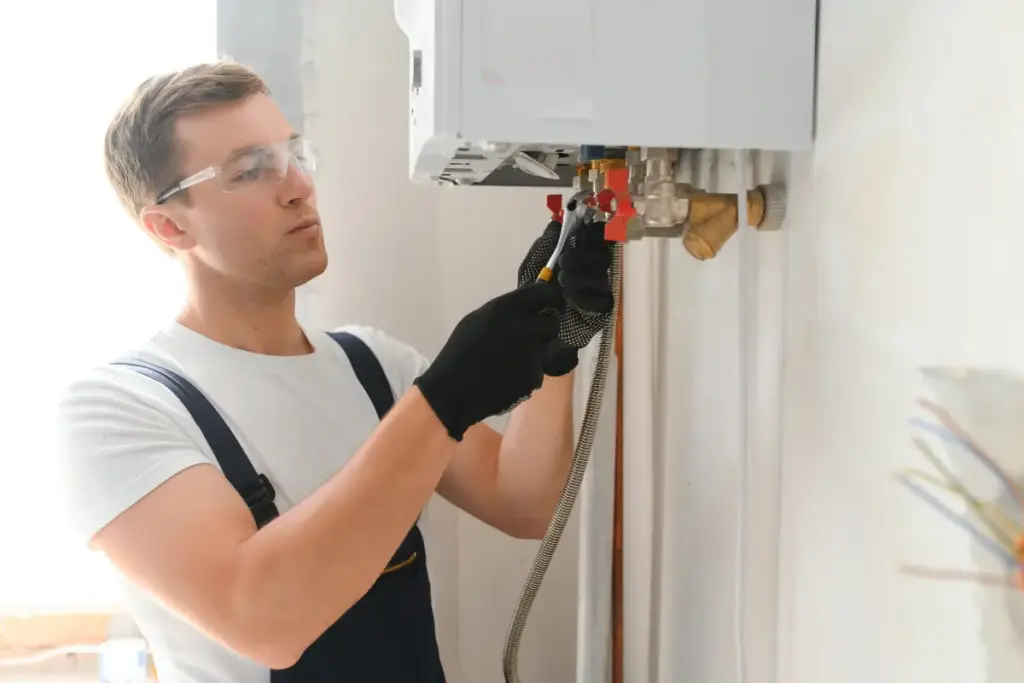
Understanding heating systems is vital for homeowners facing issues like inadequate heat distribution or unexpected energy bills. A boiler is a key component in many heating systems, responsible for generating heat by boiling water. This process transforms water into steam or hot water, which is then circulated throughout the home via pipes.
Boilers operate using various energy sources, including natural gas, oil, or electricity. Once the water reaches the desired temperature, it flows through radiators or underfloor heating systems, releasing warmth into living spaces.
The efficiency of a boiler is essential, as it directly impacts energy consumption and operating costs. Regular maintenance is necessary to guarantee peak performance and longevity. Understanding how boilers function empowers homeowners to make informed decisions regarding their heating systems, ultimately enhancing comfort and reducing energy expenses. Here are 4 Tips to Use Boiler Controls for Better Efficiency.
Understanding Combi Boilers: Features and Benefits
While traditional boilers often require separate systems for heating and hot water, combi boilers offer a compact solution by combining both functions in a single unit. This design not only saves space but also enhances efficiency. Combi boilers heat water on demand, eliminating the need for a hot water storage tank, which can reduce energy costs.
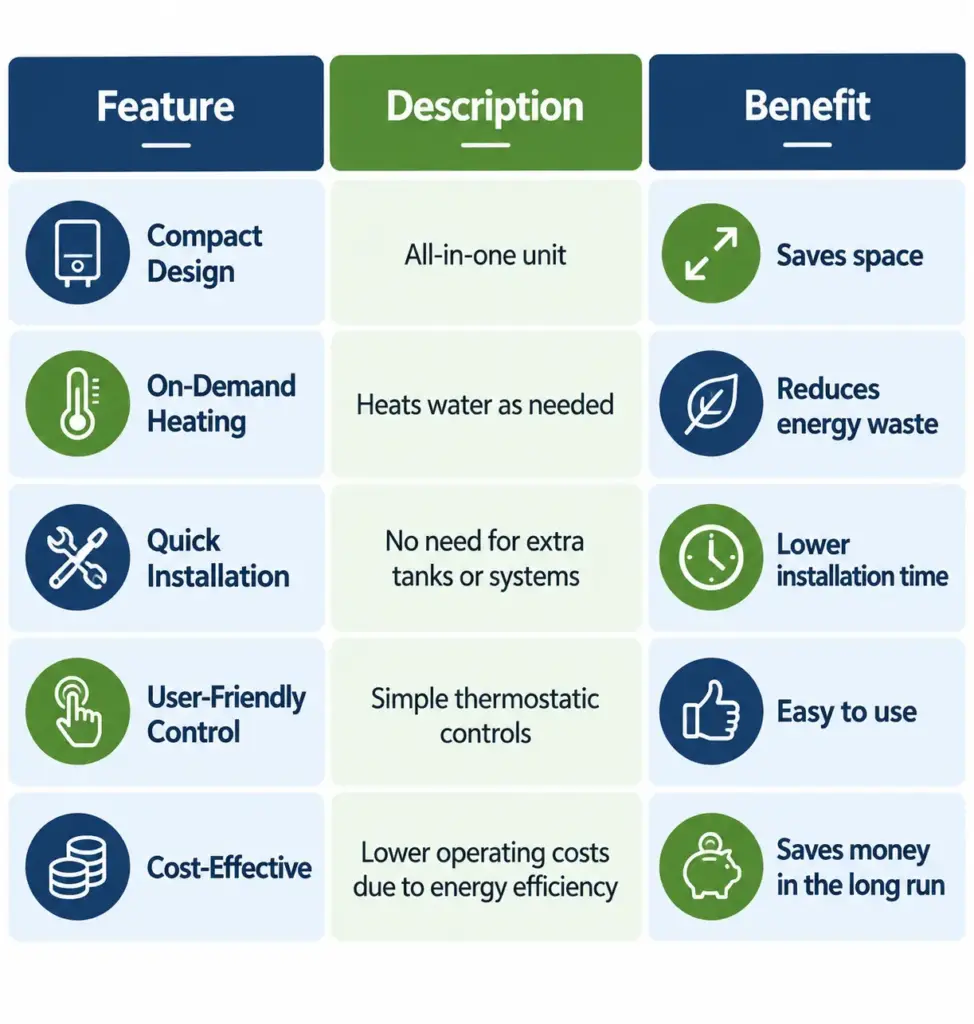
Combi boilers cater to modern homes, offering flexibility and reliability for homeowners seeking an efficient heating solution.
Pros and Cons of Combi Boilers: Is It Right for You?
Is a combi boiler the ideal choice for every household? This decision hinges on various factors, including home size and hot water needs. Combi boilers are praised for their compact design and efficiency, providing both heating and hot water on demand without the need for a separate tank. This can save space and reduce energy costs.
However, they may not be suitable for larger households with simultaneous high hot water demands, as they can struggle to supply multiple outlets at once. Additionally, the initial installation costs can be higher compared to conventional systems.
Ultimately, the suitability of a combi boiler depends on specific household requirements. For smaller homes or apartments with moderate hot water needs, a combi boiler can be an excellent choice. Conversely, larger homes may benefit more from system or conventional boilers that can better meet their demand.
Key Features of System Boilers
System boilers offer a range of features that make them a popular choice for households with higher hot water demands. One key characteristic is their ability to provide a constant supply of hot water to multiple outlets simultaneously, making them ideal for larger families or homes with multiple bathrooms. System boilers are designed to work with a sealed water system, eliminating the need for a cold water tank, which saves space.
They also include built-in components, such as the expansion vessel and pump, simplifying installation and maintenance. Additionally, system boilers are generally compatible with various heating systems, including radiators and underfloor heating, enhancing their versatility.
Energy efficiency is another important feature, as many models come with advanced controls and thermostats that help optimise performance. Overall, system boilers combine convenience and efficiency, catering to the specific needs of modern households.
Pros and Cons of System Boilers: Efficiency and Space Considerations
Evaluating the pros and cons of system boilers reveals crucial insights into their efficiency and space considerations. One significant advantage is their ability to provide instant hot water while maintaining high efficiency, making them suitable for homes with multiple bathrooms. System boilers utilise a built-in water storage tank, which can enhance performance during peak demand.
However, they do require more space compared to combi boilers, as the storage tank must be accommodated. This can be a drawback for smaller homes or apartments where space is limited. Additionally, while system boilers are generally more efficient than traditional models, they may not achieve the same efficiency levels as combi boilers in specific scenarios.
Ultimately, potential users must consider their household needs and available space when evaluating system boilers. Balancing the benefits of efficiency and adequate hot water supply against spatial constraints is essential for making an informed decision.
What’s the Deal With Conventional Boilers?
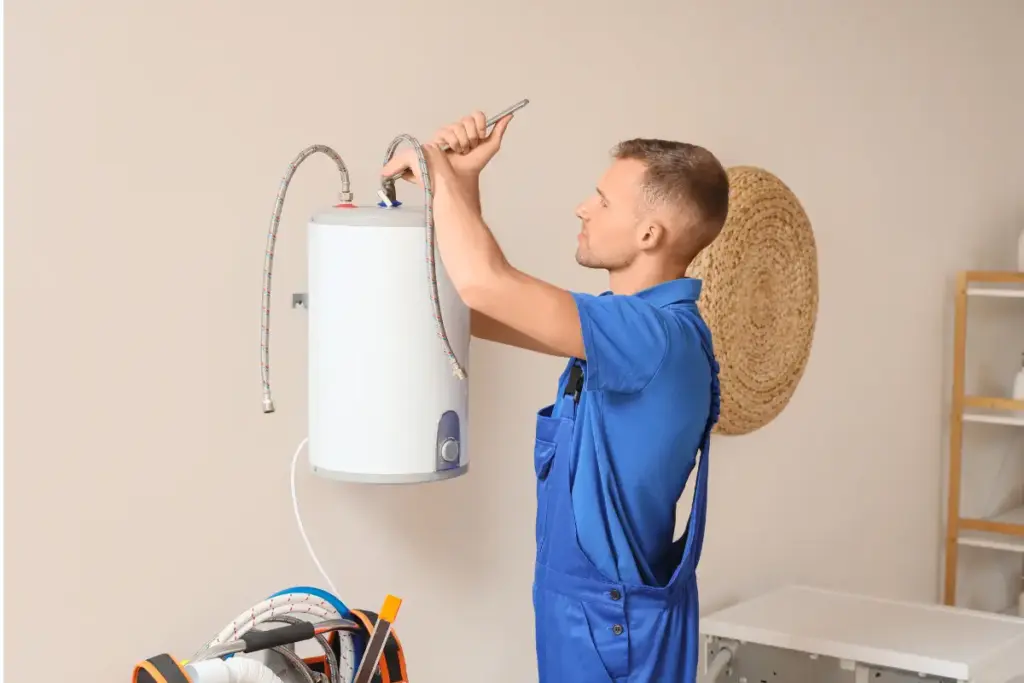
Conventional boilers, often recognised for their reliability, operate by heating water in a separate cylinder, which is then distributed throughout the home. These systems typically require a cold water storage tank and a hot water cylinder, making them suitable for larger properties with higher demand for hot water. The boiler heats water as needed, guaranteeing a consistent supply for various household activities. Boiler is Working But No Hot Water – Fixing Low Flow Rates
While conventional boilers can deliver substantial hot water capacity, their installation is more complex compared to other boiler types, necessitating additional space for the tanks. They are usually powered by gas or oil, and their efficiency can be influenced by the age and condition of the system. Maintenance is essential to maintain peak performance, as older units may require more frequent servicing. Overall, conventional boilers represent a traditional approach to home heating, providing dependable service for households with specific hot water needs.
Benefits and Drawbacks of Conventional Boilers
What advantages and disadvantages do conventional boilers present to homeowners? Conventional boilers are known for their reliability and ability to provide hot water and heating simultaneously. Their design allows for a large hot water storage capacity, making them suitable for homes with high demands. Additionally, they can be easier to maintain due to their straightforward components.
However, there are drawbacks to examine. Conventional boilers require a significant amount of space for both the boiler and the water tank, which can be an issue in smaller homes. They may also have higher installation costs compared to other types, such as combi boilers. Moreover, the reliance on a cold water storage tank can lead to water pressure issues, particularly in larger households. Ultimately, while conventional boilers offer consistent performance, potential homeowners must weigh the benefits against the space and cost factors.
How to Choose the Best Boiler for Your Home?
Choosing the right boiler for a home can greatly impact both comfort and energy efficiency. Several factors should be considered to guarantee the best fit for specific needs. Homeowners should evaluate the size of their property, the number of bathrooms, and hot water demand. Additionally, the type of fuel available and the initial cost versus long-term savings should be assessed.
| Factor | Consideration |
| Property Size | Larger homes may need a system or combi boiler. |
| Hot Water Demand | More bathrooms may require higher capacity. |
| Fuel Type | Options include gas, oil, or electric. |
| Installation Cost | Initial cost versus long-term savings is essential. |
| Energy Efficiency | Look for high-efficiency ratings to save on bills. |
Incorporating these factors will help homeowners make an informed decision tailored to their specific requirements.
Frequently Asked Questions
How Often Should I Service My Boiler?
A boiler should ideally be serviced annually to guarantee peak performance and safety. Regular maintenance helps identify potential issues early, prolongs the unit’s lifespan, and guarantees compliance with warranty requirements and safety regulations. Check out the benefits of servicing boiler.
What Is the Lifespan of a Typical Boiler?
A typical boiler can last between 10 to 15 years, depending on maintenance, usage, and type. Regular servicing and prompt repairs can greatly extend its lifespan, ensuring efficient operation throughout its years of service. Explore 4 Warning Signs That Indicate Your Boiler Needs Repair.
Can I Install a Boiler Myself?
Installing a boiler independently is generally not advisable due to safety regulations and technical complexities. Professional installation guarantees compliance with legal standards, optimises performance, and minimises risks associated with improper connections or installations.
How Do I Know When to Replace My Boiler?
Signs indicating a boiler replacement include frequent breakdowns, unusual noises, rising energy bills, and age exceeding 15 years. A noticeable decrease in heating efficiency or inconsistent hot water supply also suggests it may be time for replacement.
Are There Financial Incentives for Upgrading My Boiler?
Yes, financial incentives for upgrading a boiler often exist, including government grants, tax credits, and energy efficiency rebates. These programs encourage homeowners to invest in modern, efficient systems that reduce energy consumption and lower utility bills.
Conclusion
In conclusion, understanding the three main types of boilers combi, system, and conventional enables homeowners to make informed heating choices. Each boiler type offers distinct features, benefits, and drawbacks, catering to various needs and preferences. By considering factors such as efficiency, space requirements, and specific heating demands, homeowners can select the most suitable boiler for their homes. Ultimately, the right choice can lead to enhanced comfort and energy savings in the long run.